



Mole mapping records the location and appearance of a person’s moles with photographs and compares them over time to catch changes that can signal melanoma. Paz Dermatology offers mole checks and mole mapping at its Fresno and Visalia, California offices, usually repeated every one to two years.
A record of your skin, so change is easy to see
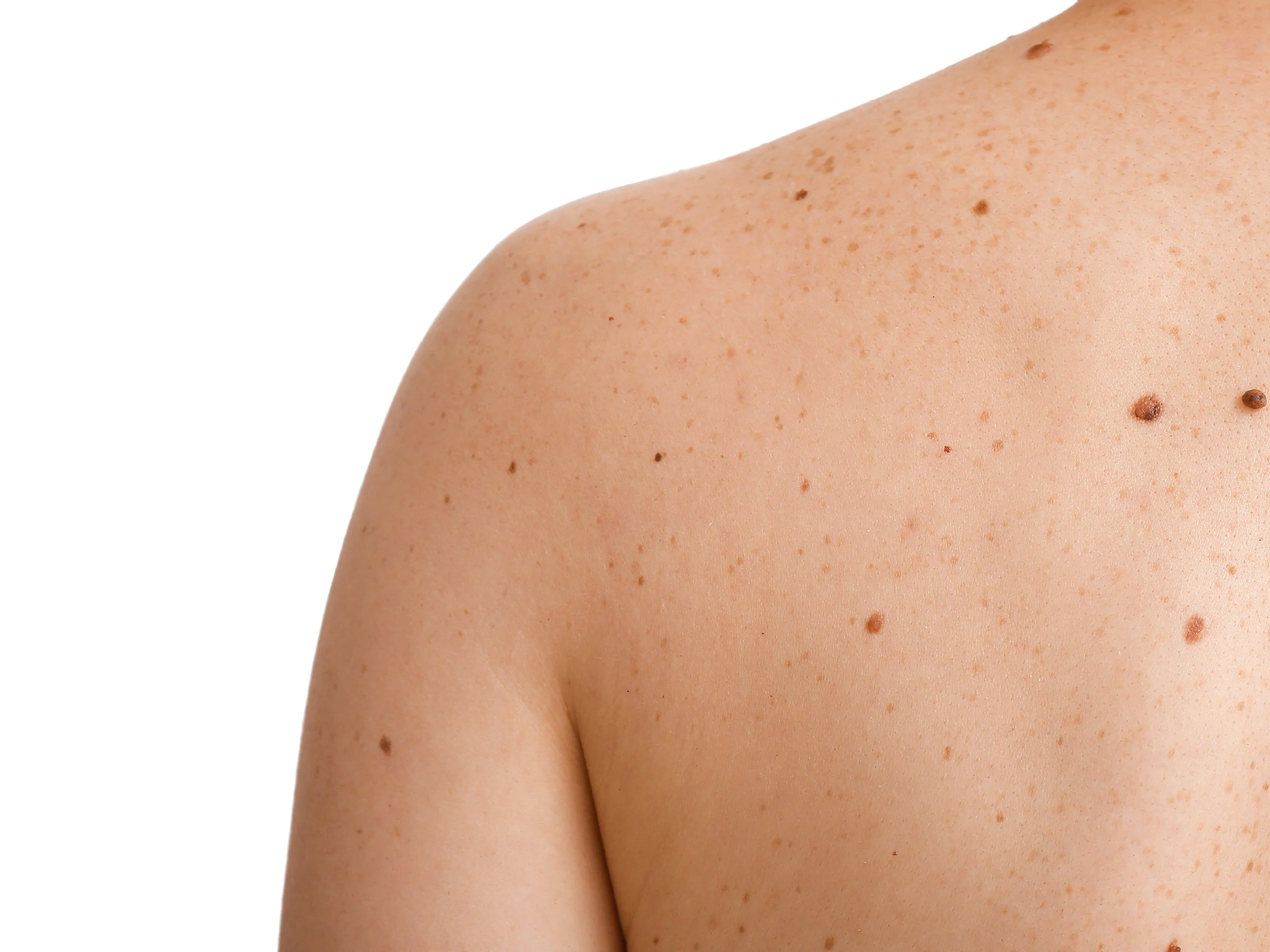
Nearly every adult has a few moles, and most are harmless for life.[1] The ones that matter are the ones that change, and change is exactly what’s hardest to notice on your own back.
Mole mapping gives your skin a baseline. Your moles are located, photographed and saved in your record. At your next visit, they’re photographed again and compared with the last set. A mole that grows, darkens or changes shape stands out in the pictures, long before anyone would notice it in a mirror.
What mapping gives you
- A photo record of your moles, kept in your chart
- A side-by-side comparison at every visit
- A clear answer on which moles are stable
- Early notice of a mole that’s changing
- A schedule set to your own level of risk
- Every visitYour moles are photographed at each visit and compared with the last set.
How mole mapping works
- Your history We start with your health and family history, including any melanoma in the family, and show you how to check your own moles between visits.
- The exam Your provider examines your skin, looking closely at your moles, and marks where each one sits.
- The photos Your moles are photographed and saved to your record, so there’s a clear picture of each one to compare against.
- The follow-up At each visit, new photos are compared with the old ones. A mole that has changed gets a closer look, and if it needs a firmer answer, a biopsy.
- 1 to 2 yearsHow often mapping is usually repeated, and every 3 to 6 months for people at higher risk.

Most melanomas aren’t the mole you’ve been watching
Here’s the part that surprises people. About 7 in 10 melanomas start as a brand-new spot, not in an existing mole.[2] So mapping covers more than the moles you already have: it’s about knowing your skin well enough that a new arrival can’t hide among them.
| Checking from memory | Mole mapping | |
|---|---|---|
| A mole that slowly grows | Easy to miss over months | Measured against last visit’s photo |
| A new spot among many moles | Blends in | Stands out, because it isn’t in the record |
| A mole you’re unsure about | “I think it’s always looked like that” | A photo that settles it |
| Your back and scalp | Hard to see at all | Photographed like everywhere else |
And a mole that stays the same in the photos can simply be left alone.
Who mapping helps most
| If you have | Why mapping helps |
|---|---|
| 50 or more moles | More moles means more to keep track of, and a higher chance of melanoma.[1] |
| Four or more atypical moles | Atypical moles raise melanoma risk and are worth watching closely.[1] |
| Fair skin or light hair | Skin that burns easily is at higher risk.[3] |
| A family history of melanoma | A close relative’s melanoma raises your own risk.[3] |
| Had melanoma before | Regular checks are how a new one is caught early.[3] |
| Lots of sun or blistering sunburns | Past sun exposure adds up.[3] |
The Paz difference
Your photos, in your record, compared by people who know your skin
Your mole photos are kept in your electronic record here and pulled up at each visit, so every comparison is against your own history, not a guess. When a mole does need attention, the biopsy and, if needed, the removal happen here too.
With offices in Fresno and Visalia, keeping to a mapping schedule is easy, and your record follows you to either office.
- 3 to 6 monthsHow often mapping is repeated for people at higher risk of melanoma.
Is mole mapping right for you?
A regular mole check may be enough if you:
- Have only a few moles, all similar to one another
- Have no personal or family history of melanoma
Not sure which fits? Book a total body exam, and we’ll tell you whether mapping makes sense for you.
Between mapping visits
Mapping works best alongside your own monthly look. Use a mirror, check the places you can’t easily see, and compare what you notice with how your moles usually look.[4]
Call us before your next visit if you notice
- A new spot that doesn’t look like your others[4]
- A mole that’s changing in size, shape or color[4]
- A mole that itches, bleeds or won’t heal[4]
You don’t need to wait for your next mapping appointment. The photos will still be there to compare against.
Concerns treated
Mole mapping is how these are caught early. Pick one to learn more.
What treatment costs
Mole checks and mapping are medical care, and they’re handled differently from the cosmetic treatments on this site. Our office walks you through what applies to you when you book.
Mole mapping questions, answered
A mole check is a careful look at your moles at one visit. Mole mapping adds photos saved to your record and compared at every visit, so changes can be measured instead of remembered.
No. It’s an exam and photographs. The only needle involved is for a biopsy, if one’s ever needed, and that starts with a numbing injection.
Usually every one to two years. If you’re at higher risk, every three to six months. Your provider will set the schedule with you.
It gets a closer look, and if it needs a firmer answer, a biopsy. If it needs to come off, it’s removed here and sent to the lab.
Anything new, changing, itchy or bleeding. The warning signs of melanoma are a good guide.[4]