
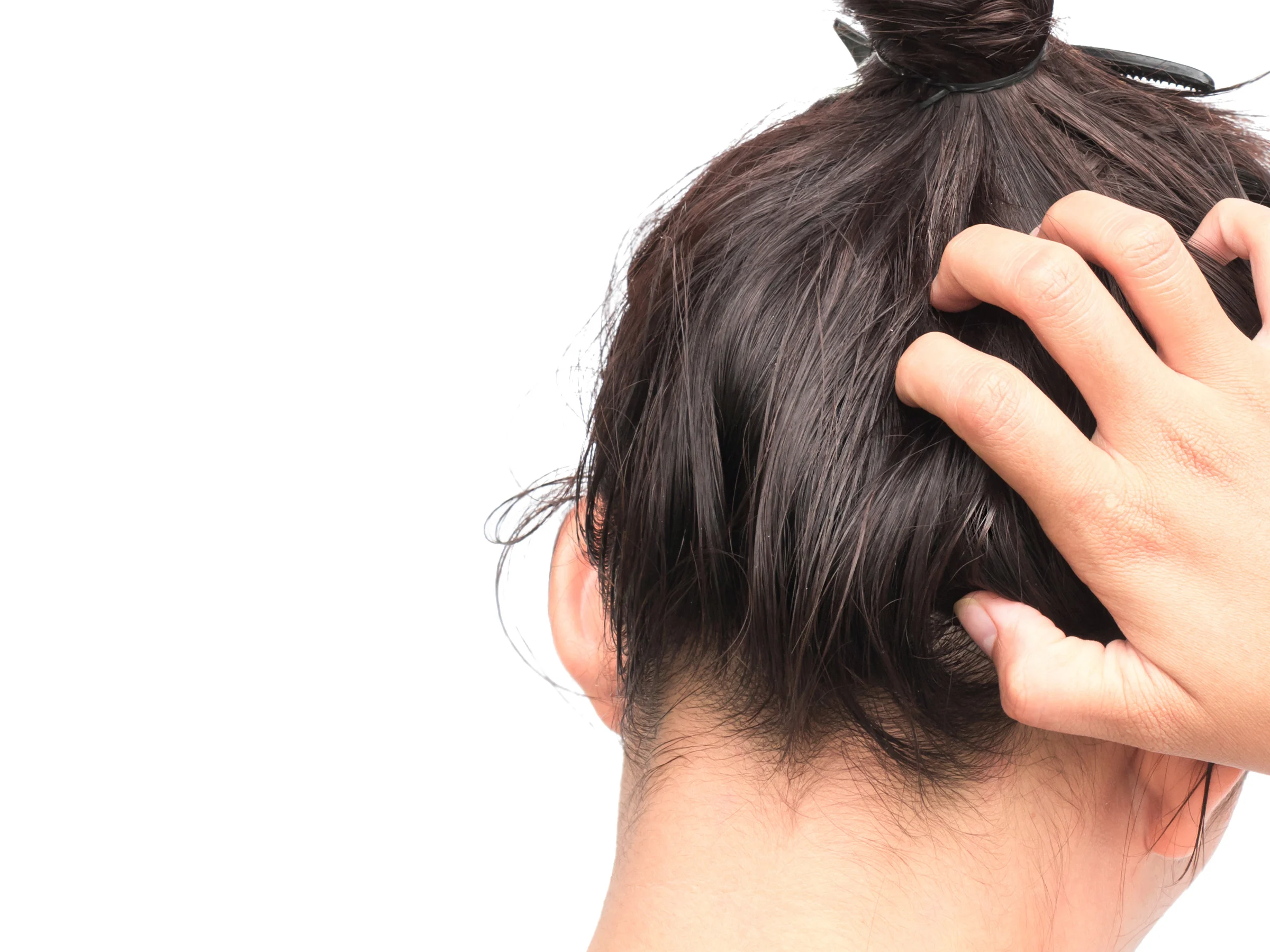
Scalp conditions include dandruff, seborrheic dermatitis, scalp psoriasis, infections and hair loss conditions, causing itch, flaking, scale or soreness. Paz Dermatology diagnoses and treats scalp conditions in babies, children and adults at its Fresno and Visalia, California offices.
More than dry skin
Seborrheic dermatitis is a common condition that causes a scaly rash on oily areas like the scalp and face.[1] Dandruff may be its mildest form.[1] In babies, it shows up on the scalp as cradle cap.[1]
Other scalp problems, like psoriasis, infections and some kinds of hair loss, can look similar, which is why a diagnosis matters.
Common scalp conditions
- Dandruff: white-to-yellowish flakes
- Seborrheic dermatitis: scaly, sometimes greasy patches with inflammation[1]
- Scalp psoriasis: thick, silvery scale that can extend past the hairline
- Skin infection: itchy, scaly or sore patches, sometimes with hair loss
- Cradle cap: crusty scalp patches in babies[1]
- Not contagiousSeborrheic dermatitis can’t spread from person to person.[1]
Why scalps flake and itch
- Oil and yeast Seborrheic dermatitis appears on oily areas of the body.[1]
- An overactive immune system Scalp psoriasis comes from skin cells growing too quickly.
- Infection Fungal infections can cause scaly, itchy patches and patchy hair loss.
- Products and irritation Hair dyes and styling products can irritate the scalp or cause an allergic rash.
- Mildest formDandruff may be the mildest form of seborrheic dermatitis.[1]
Telling scalp conditions apart
| Dandruff | Seborrheic dermatitis | Scalp psoriasis | |
|---|---|---|---|
| Scale | Fine white or yellowish flakes | Greasy or dry scale[1] | Thick, silvery scale |
| Inflammation | Usually none | Yes; red on lighter skin, pink, purple or lighter on darker skin[1] | Raised, well-defined patches |
| Beyond the scalp | Rarely | Ears, eyebrows, beard, around the nose, chest[1] | Elbows, knees, nails |
Your provider can tell them apart, sometimes in a single look, and choose the treatment that fits.
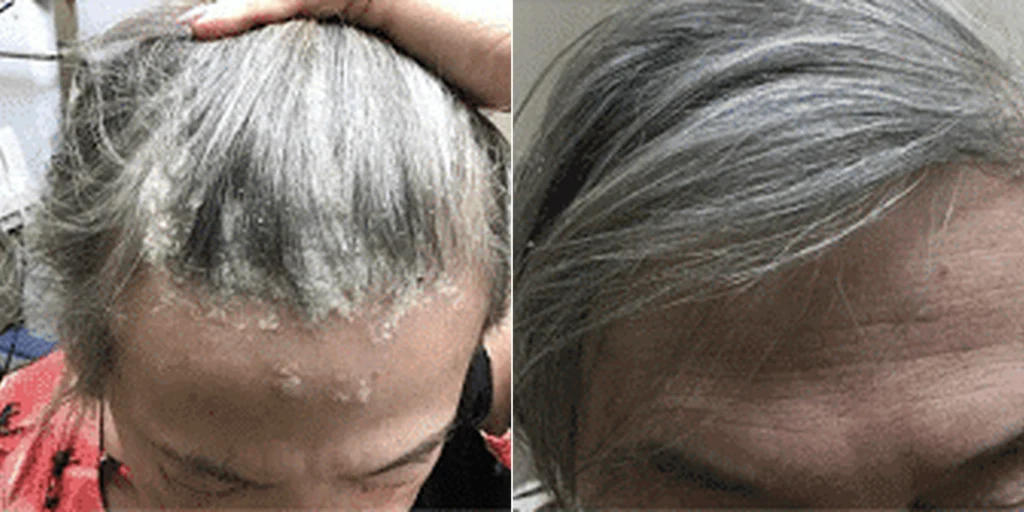
Real results from patients
The Paz difference
Relief that starts with the right diagnosis
A dandruff shampoo can handle mild dandruff and even mild seborrheic dermatitis,[2] but when it isn’t enough, the cause may be something else. Here, your provider examines your scalp and hair to find the real cause, and treats babies, children and adults.
- Can clearTreatment can ease itch and lessen, sometimes clear, seborrheic dermatitis.[1]
When to see us
Book an appointment if:
- Dandruff shampoos haven’t helped after a few weeks
- Your scalp is very itchy, sore or bleeding from scratching
- You have thick, scaly patches
- You’re losing hair along with scaling or itching
- A baby’s cradle cap is spreading or looks inflamed
Caring for your scalp
- Use a dandruff shampoo as directed; it may be all mild cases need[2]
- Let the shampoo sit on the scalp for a few minutes before rinsing
- Try not to scratch, which can worsen itch and irritation
- Rinse hair products out well
- Keep up with your plan, since scalp conditions often come and go
How we treat scalp conditions here
Scalp conditions are diagnosed and treated in a regular medical visit. Your provider finds the cause and recommends treatment to calm itch and clear scale. See Medical Dermatology for what a medical visit covers.
What treatment costs
Scalp care is medical care, and it’s handled differently from the cosmetic treatments on this site. Our office walks you through what applies to you when you book.
Scalp questions, answered
Not yet, but treatment can ease itch and lessen, and sometimes clear, the rash.[1]
Seborrheic dermatitis is not.[1] Some scalp infections are, which is one reason to have a new rash checked.
It’s seborrheic dermatitis on a baby’s scalp[1] and is usually harmless. See us if it spreads or looks inflamed.
Some can, especially infections and scratching. Treating the scalp often helps hair recover.
Book a visit. Something other than dandruff may be causing your symptoms.