



Alopecia areata is a condition in which the immune system attacks hair follicles, often causing round, patchy hair loss. It affects people of all skin tones and genders, often starting in childhood or young adulthood. Paz Dermatology treats alopecia areata at its Fresno and Visalia, California offices.
Hair loss in patches
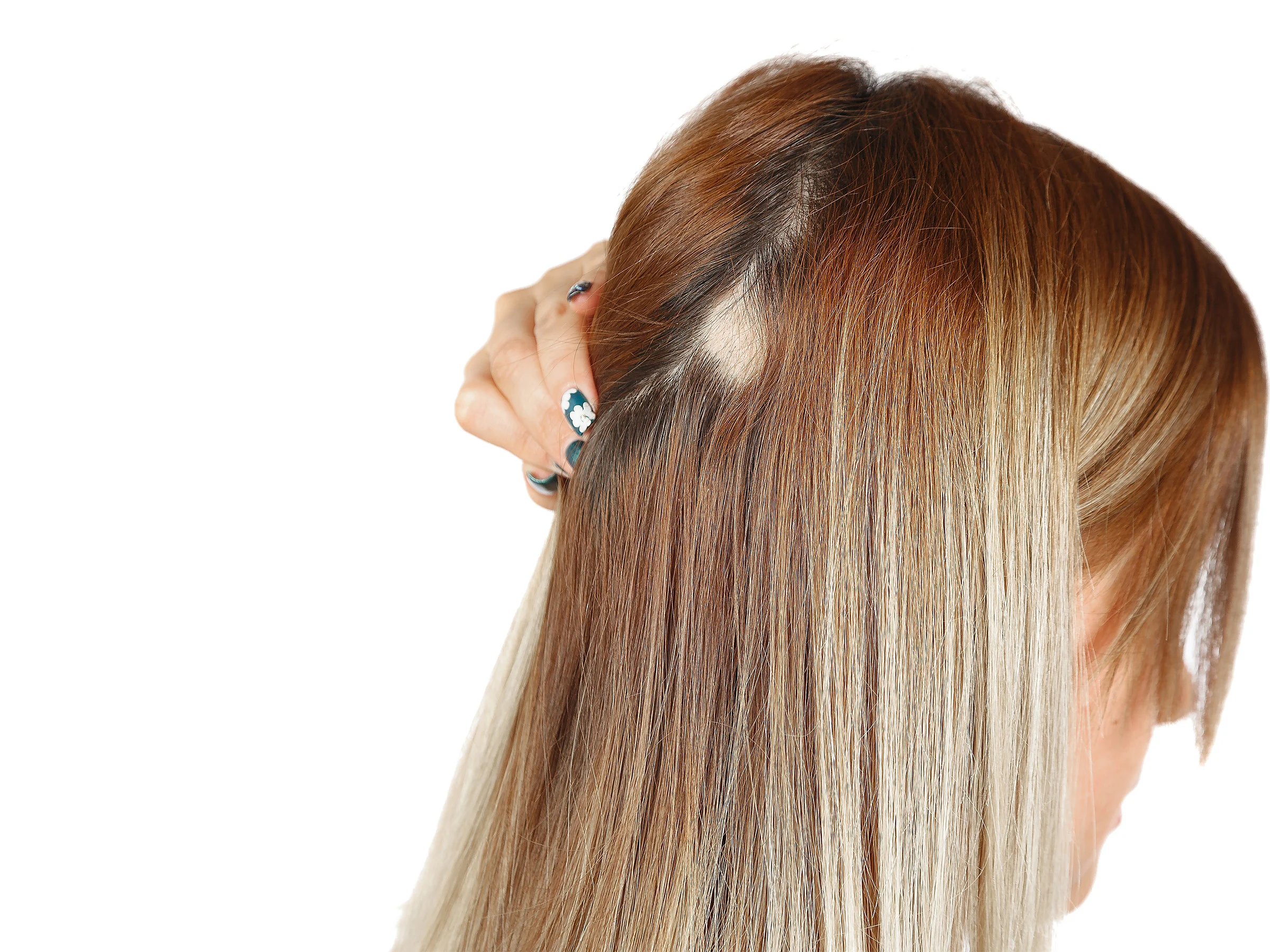
Alopecia areata is a disease that causes hair loss,[1] developing when the body’s immune system attacks hair follicles.[2] It often causes patchy hair loss,[1] though some people lose more hair on the scalp or body.
People of all skin tones and genders get it. It usually begins in children and young adults, but it can start at any age.[1]
Signs of alopecia areata
- 6 weeksHow soon some people see regrowth with treatment.[1]
Why it happens
- The immune system The body’s immune system mistakenly attacks hair follicles.[2] The follicles aren’t destroyed, which is why hair can grow back.
- Family history It’s more likely if a family member has alopecia areata or another autoimmune condition.
- Triggers Stress or illness may set off an episode in some people, though often there’s no clear trigger.
- Not contagiousAlopecia areata can’t spread from person to person.[1]
Regrowth is possible
Alopecia areata can’t be cured yet, but treatment can help people regrow their hair.[1] Hair can grow back, although not everyone sees the regrowth they hope for.[1]
| What you might notice | What it means |
|---|---|
| Patches that fill back in | Hair follicles are recovering[1] |
| Regrowth that starts white or gray | Common; color often returns |
| New patches while old ones regrow | The condition can come and go |
Your provider looks at how much hair is affected and how long it’s been happening, then recommends a plan to encourage regrowth.
Where it shows up
| Area | What you might see |
|---|---|
| Scalp | Round, smooth bald patches[1] |
| Beard | Patchy hair loss in the beard |
| Eyebrows and eyelashes | Thinning or small bare spots |
| Nails | Pits, ridges or rough texture |
The Paz difference
Caring for the person, not just the patch
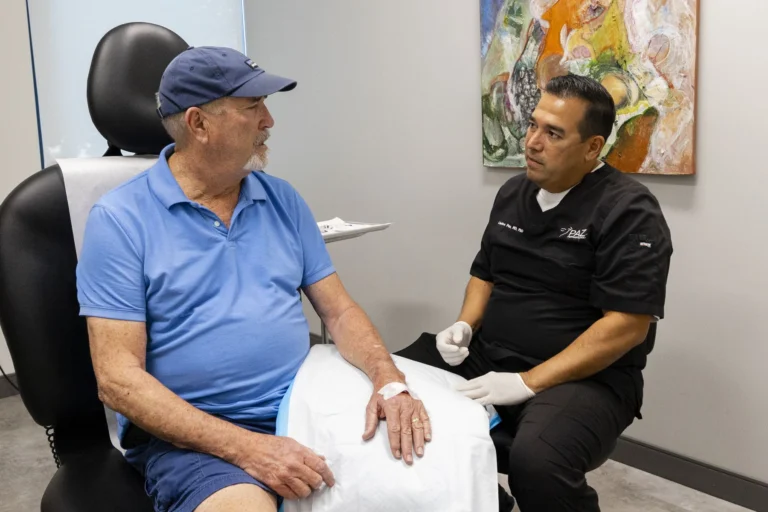
Hair loss can be hard emotionally, especially for children and teens. Here, your provider confirms the diagnosis, since several other kinds of hair loss can look similar, and builds a plan with you, checking in as your hair responds.
- All agesIt usually begins in children and young adults but can start at any age.[1]
When to see us
Book an appointment if:
- You or your child find a round bald patch
- Hair is falling out quickly in one area
- Patches are spreading or new ones appear
- You’re losing eyebrow, eyelash or beard hair
The earlier you start treating hair loss, the more likely you are to see regrowth.[3]
Taking care of yourself
- Protect bare patches of scalp from the sun with a hat or sunscreen
- Be gentle with your hair and scalp
- Consider hats, scarves or hairpieces if they help you feel comfortable
- Reach out to support groups; many people find them helpful
- Keep your follow-up visits so your plan can be adjusted
How we treat alopecia areata here
Alopecia areata is diagnosed and treated in a regular medical visit, where your provider confirms the cause of your hair loss and recommends treatment to help your hair regrow. See Medical Dermatology for what a medical visit covers.
What treatment costs
Alopecia areata care is medical care, and it’s handled differently from the cosmetic treatments on this site. Our office walks you through what applies to you when you book.
Alopecia areata questions, answered
It can. Treatment helps many people regrow their hair, though results vary.[1]
No. It can’t spread from person to person.[1]
Some people see regrowth in about 6 weeks.[1]
Yes. It often begins in childhood or young adulthood.[1]
Stress may play a part for some people, but the root cause is the immune system attacking hair follicles.[2]
Yes. Alopecia areata can come and go, which is why follow-up care matters.