



Psoriasis is a long-term condition in which the body makes new skin cells in days rather than weeks, causing thick, scaly, itchy patches. It can affect the nails and joints. Paz Dermatology diagnoses and treats psoriasis at its Fresno and Visalia, California offices.
Skin that renews too fast
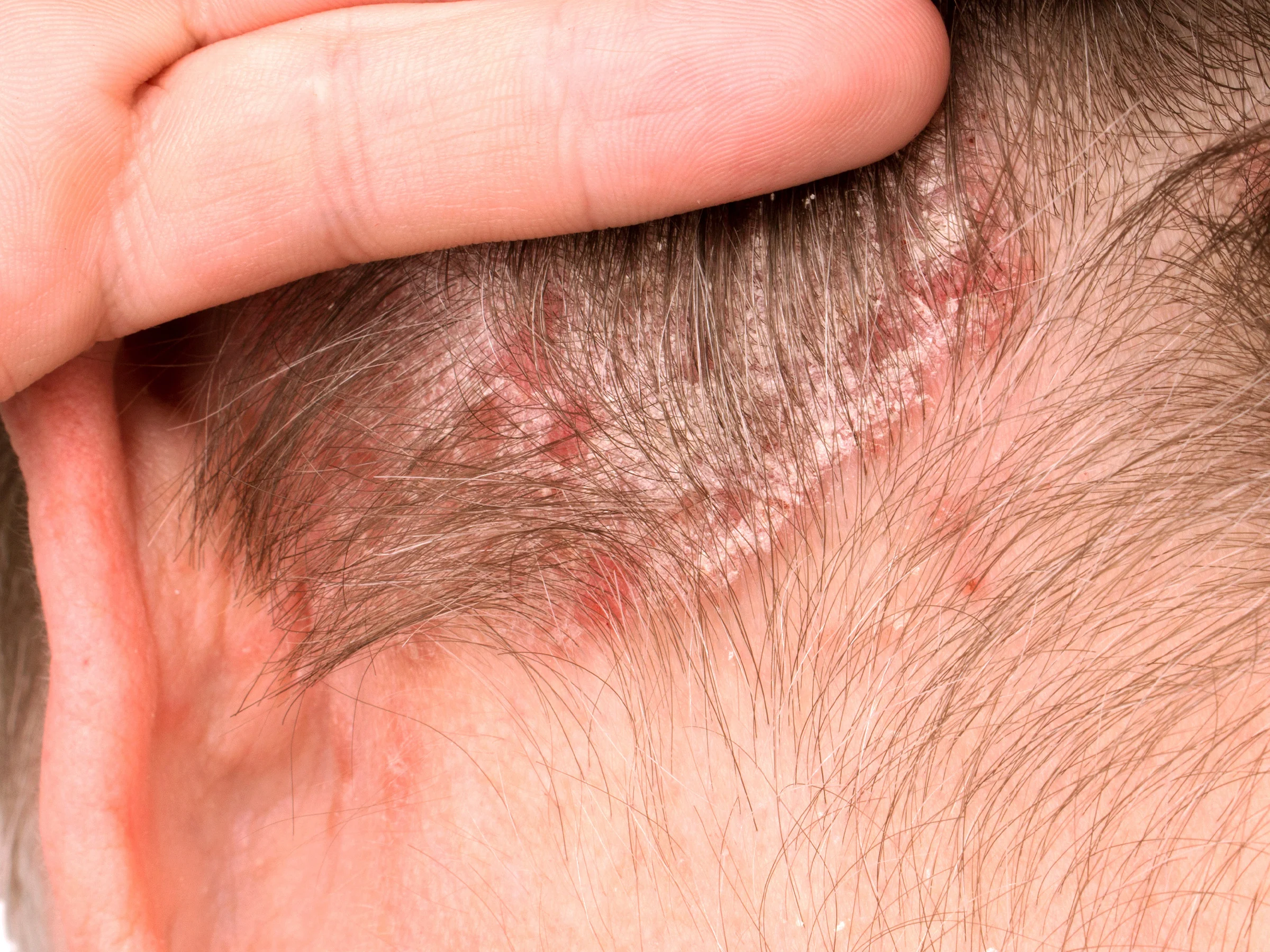
In psoriasis, the body makes new skin cells in days rather than weeks.[1] They pile up on the surface as dry, thick, raised patches, often covered with a silvery-white scale, and they tend to itch.[2]
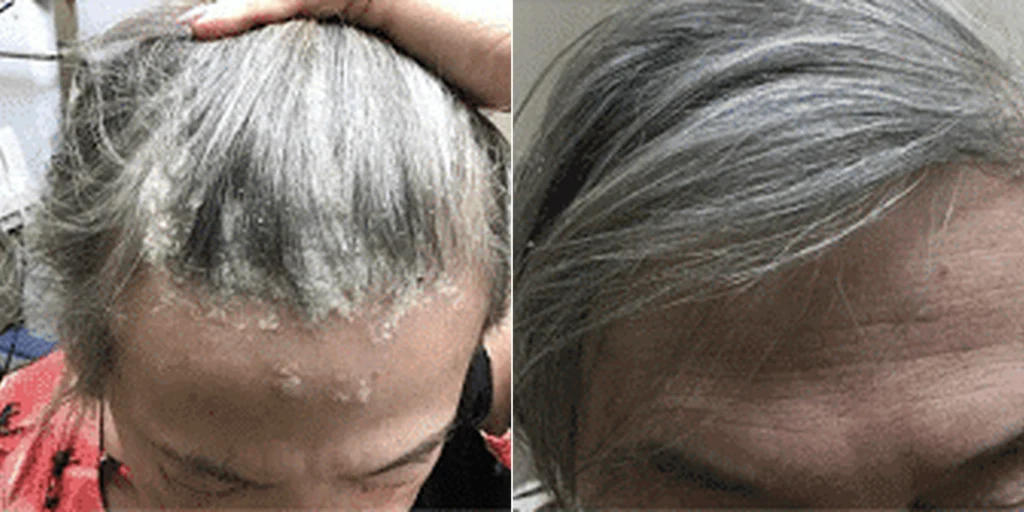
Most people who get psoriasis have it for life,[1] but a good plan can bring real control and clearer, or even clear, skin.[1]
Signs of psoriasis
- 80 to 90%People with psoriasis who have the most common type, plaque psoriasis.[2]
Why psoriasis flares
- The immune system Psoriasis starts with an overactive immune system that speeds up the growth of skin cells.
- Family history It often runs in families.
- Triggers Flares can follow stress, an infection such as strep throat, an injury to the skin, smoking or alcohol, and some medicines.
- Health links Psoriasis can raise the risk of certain diseases, such as psoriatic arthritis and diabetes.[1]
- Days, not weeksHow fast the body makes new skin cells in psoriasis.[1]
More than one kind
It’s possible to have more than one type, and each looks a little different.
| Type | What it looks like |
|---|---|
| Plaque | Raised, scaly patches, often on the scalp, elbows, knees or lower back; 80 to 90% of cases[2] |
| Guttate | Many small bumps that appear suddenly, often in children after strep throat |
| Inverse | Smooth, shiny patches where skin touches skin, like the armpits or groin |
| Nail | Tiny dents or discoloration of the nails[2] |
| Psoriatic arthritis | Swollen, tender joints, often a finger or toe, or heel pain[2] |
Your provider identifies which types you have, because that shapes the plan.
Real results from patients
The Paz difference
A plan for the long run
Psoriasis is a lifelong condition, so the relationship with your dermatology team matters. Here, your plan is built around how much of your skin is affected, where, and how it affects your life, then adjusted over time as your skin responds.
Because joint pain can be an early sign of psoriatic arthritis, which can become disabling if it progresses,[2] your visits cover your joints too, not just your skin.
- Clear skinWith help from a dermatologist, many people gain control and see clearer, or clear, skin.[1]
When to see us
Book an appointment if:
- You have patches that are thick, scaly or itchy
- Over-the-counter creams aren’t helping
- Psoriasis is affecting your sleep, work or confidence
- Your nails are pitted or discolored
Tell us promptly about:
- Joint pain, swelling or stiffness, especially in fingers, toes or heels[2]
- A sudden, widespread flare
Everyday habits that help
- Try not to scratch; it can thicken the patches[2]
- Moisturize every day
- Take lukewarm, not hot, baths or showers
- Manage stress where you can
- If you smoke, consider quitting, and limit alcohol
- Keep your follow-up visits so your plan keeps working
How we treat psoriasis here
Psoriasis is diagnosed and treated in a regular medical visit. Your provider builds a plan that may include medicine you apply to your skin and, for more extensive psoriasis, treatment that works throughout the body. See Medical Dermatology for what a medical visit covers.
What treatment costs
Psoriasis care is medical care, and it’s handled differently from the cosmetic treatments on this site. Our office walks you through what applies to you when you book.
Psoriasis questions, answered
No. You can’t catch psoriasis from someone or give it to anyone.
Psoriasis can affect the joints, a condition called psoriatic arthritis.[2] Tell your provider about joint pain early.
No. They can look similar, but they’re different conditions with different treatments. A visit sorts out which you have.
Yes. Look for tiny dents or discoloration under the nail.[2]
Common triggers include stress, infections, skin injuries, smoking, alcohol and some medicines.