



A suspicious mole is one that looks different from a person’s other moles or is changing in size, shape or color, which can be an early sign of melanoma. Paz Dermatology checks, tracks and removes suspicious moles at its Fresno and Visalia, California offices.
Normal moles, and the ones worth a look
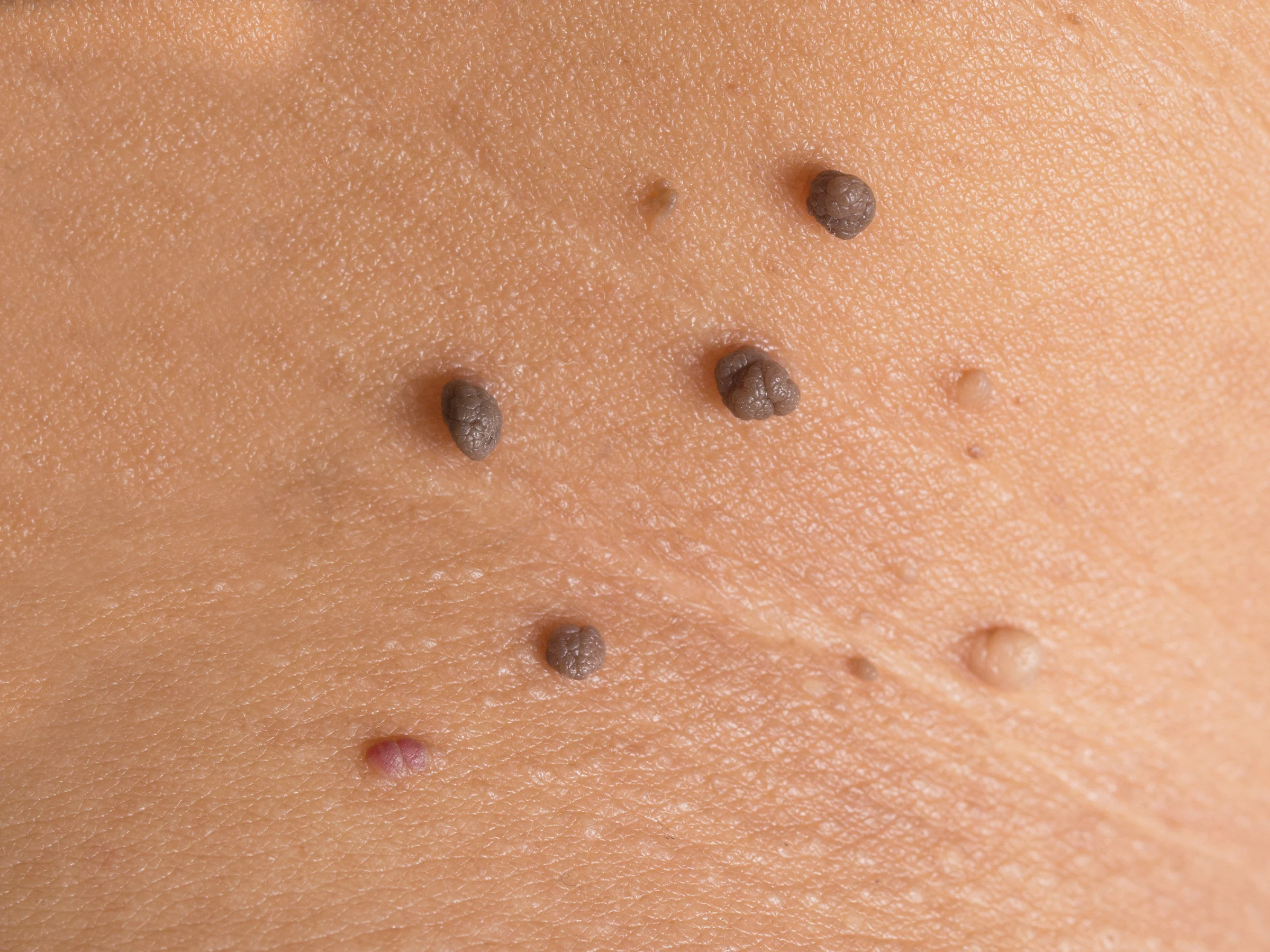
Nearly every adult has a few moles, and most are common moles, which are harmless.[1] People with lighter skin tend to collect somewhere between 10 and 40 over a lifetime.[1]
A normal mole has a steady look: one color, round, flat or slightly raised, and the same from month to month.[2] What earns a closer look is change, or a spot that simply doesn’t look like your others.[2] Most of the time the answer is reassuring. Sometimes it’s an early melanoma, and early is exactly when it’s easiest to treat.
Why it’s worth a visit
- A quick look answers a question that’s easy to worry about
- Changes are easier to judge with a trained eye and a lighted magnifier
- If a mole needs to come off, it’s done here
- 10 to 40Moles most people with lighter skin develop over a lifetime.[1] Having a lot is common, and a reason for regular checks, not worry.
Why moles change, and why some matter
And not every melanoma starts in a mole. About 7 in 10 begin as a new spot,[4] which is why a new mark that doesn’t match your others deserves as much attention as an old mole that’s changed.
- Moles come and go with time Most moles appear in childhood and early adulthood, and how many you get runs in families. About 1 in 100 people is born with one.[1]
- Some moles are atypical Atypical moles tend to be larger than a pencil eraser, oddly shaped and more than one color.[1] They aren’t cancer, but having four or more raises the risk of melanoma.[1]
- Sun and your history raise the stakes Sun exposure, fair skin, blistering sunburns, 50 or more moles and a family history of melanoma all make a changing mole more worth checking.[3]
- 4 or moreAtypical moles that raise the risk of melanoma, a reason to be on a regular checking schedule.[1]
How to tell what kind of mole you’re looking at
Here’s a simple way to sort what you’re seeing. The third column is the one that says “come in.”
| A common mole | An atypical mole | A mole worth checking now | |
|---|---|---|---|
| Size | Usually small | Often larger than a pencil eraser[1] | Getting bigger[2] |
| Shape | Round[2] | Odd, not round[1] | Changing shape[2] |
| Color | One color[2] | More than one color[1] | Changing color, or looks different from the rest[2] |
| Surface | Flat or slightly raised[2] | Can vary | Itching, bleeding or crusting |
| Over time | Unchanged month to month[2] | Stable, but worth watching | Evolving[2] |
For the full list of the warning signs of melanoma, including the ABCDEs, see our melanoma page.
Places moles hide
| Area | Why it matters |
|---|---|
| Scalp | Hair hides them completely.[2] |
| Between the fingers and toes | One of the most routinely missed places.[2] |
| Palms and soles | Moles form here too, and few people think to check.[2] |
| Under the nails | A dark streak or spot under a nail is worth a look.[2] |
| Back and shoulders | Hard to see yourself, so a partner, a mirror or a skin check helps. |
The Paz difference
A clear answer for every mole that has you wondering
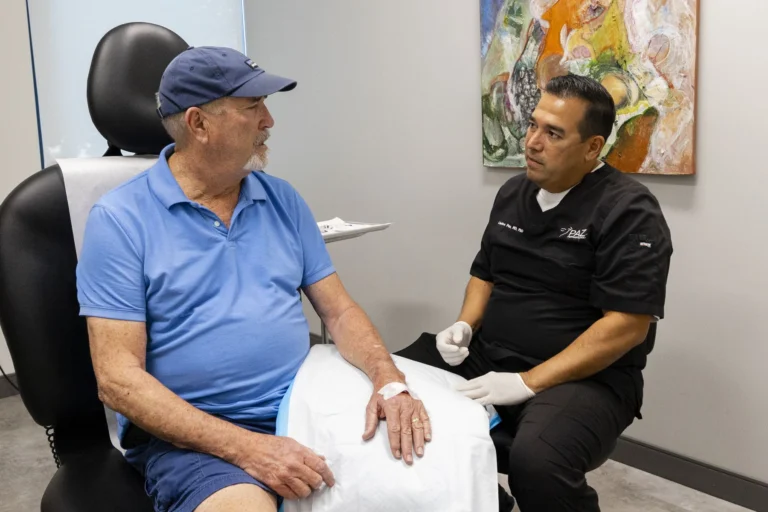
Most mole questions are settled in the exam room. Your provider looks closely with a lighted magnifier and tells you plainly whether it’s fine. If you have many moles, mole mapping photographs them so every future visit compares against a real picture instead of memory.
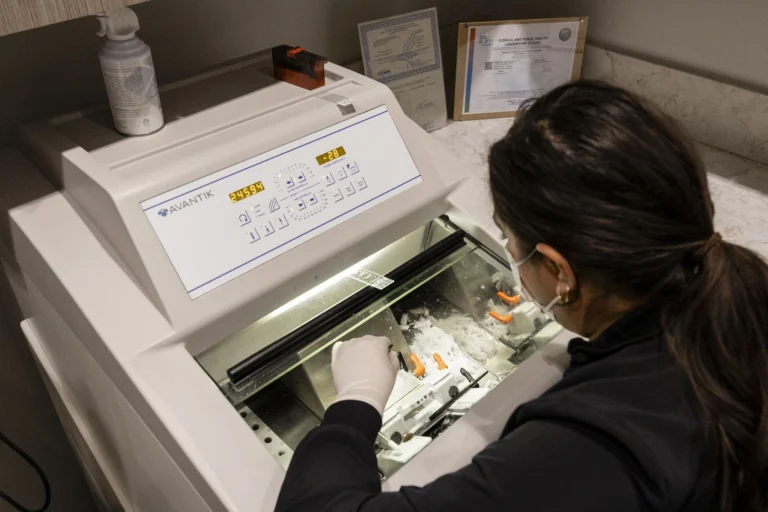
When a mole needs a firmer answer, a biopsy settles it. When one needs to come off, it’s removed whole and examined under a microscope, so the answer is certain.[5] Checking, tracking and removal all happen here.
- Under a microscopeWhere every mole that’s removed goes, so the answer comes from the lab, not a guess.[5]
When to have a mole checked
If you’re unsure whether what you’re seeing counts as a change, come in. That’s exactly what a mole check is for.
Keeping an eye on your moles
Most moles never need anything but an occasional look. A few habits make changes easy to spot.
Between visits
- Check your skin about once a month in good light, with a mirror for your back
- Take a photo of any mole you’re watching, with a ruler or coin for scale
- Book a yearly total body exam, or more often if you’re at higher risk
- Never try to remove a mole at home. It can scar, cause infection, and delay a skin cancer diagnosis.[5]
A mole that comes back after it’s been removed should be seen right away.[5]
Services we offer
Checking, tracking and removing moles all happen in this practice. Pick one to see how it works.
What treatment costs
Mole checks, biopsies and medically needed removal are medical care, and they’re handled differently from the cosmetic treatments on this site. Our office walks you through what applies to you when you book.
Mole questions, answered
Almost never. Most are common moles and harmless.[1] The ones worth attention are the ones that change, and new spots that don’t match the rest.
Please don’t. At-home removal and mole-removal products can scar, cause infection and delay a skin cancer diagnosis.[5]
Not necessarily, but a new spot that looks different from your others is worth showing us, since most melanomas start as new spots.[4]
A biopsy settles it. If the mole needs to come off, it’s removed and examined under a microscope, and you’ll hear the result.[5]
Get on a regular checking schedule. Mole mapping is especially useful, since it compares each visit’s photos with the last.