
Laser tattoo removal uses pulses of laser light to shatter tattoo ink into tiny particles that the body then flushes away, lightening the tattoo over a series of treatments. Paz Dermatology offers laser tattoo removal with the Candela PicoWay laser at its Fresno and Visalia, California offices.
Fade the ink, one visit at a time
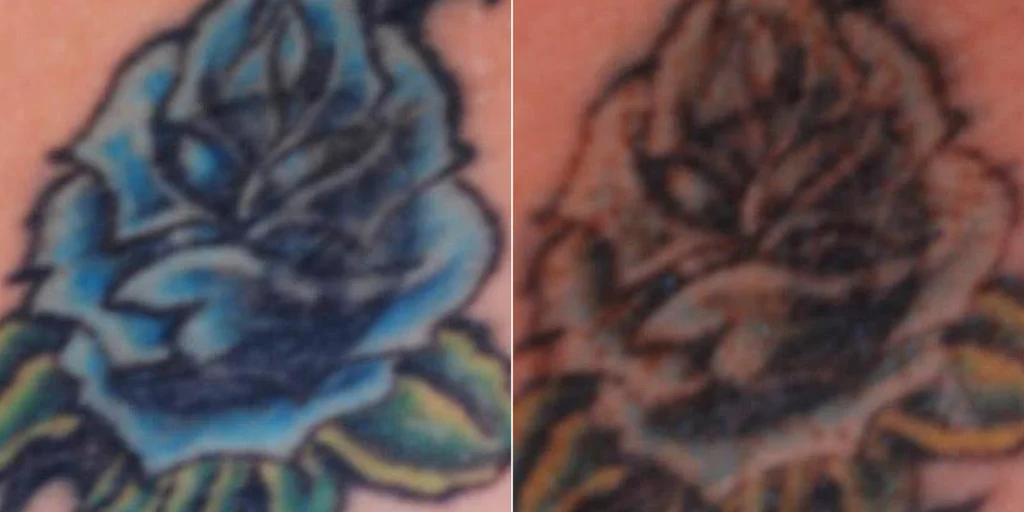
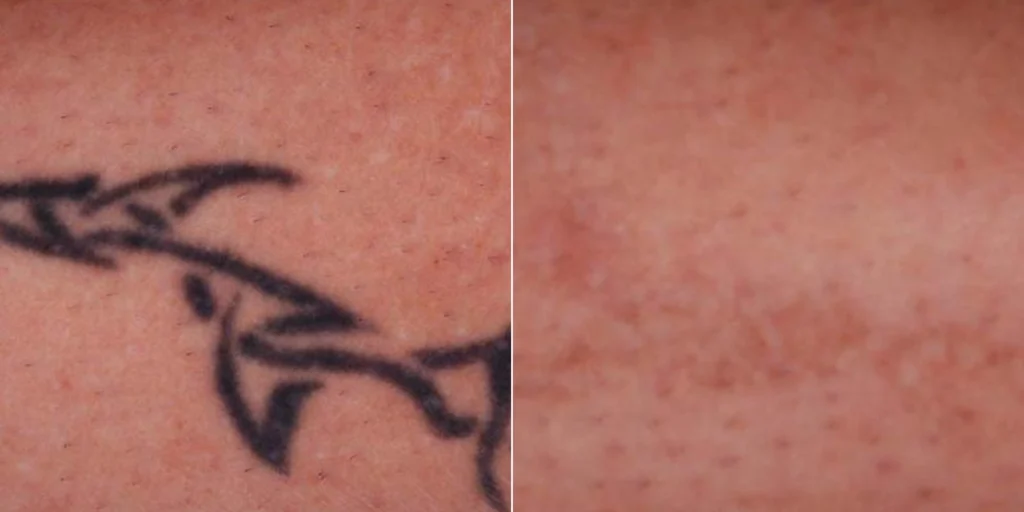
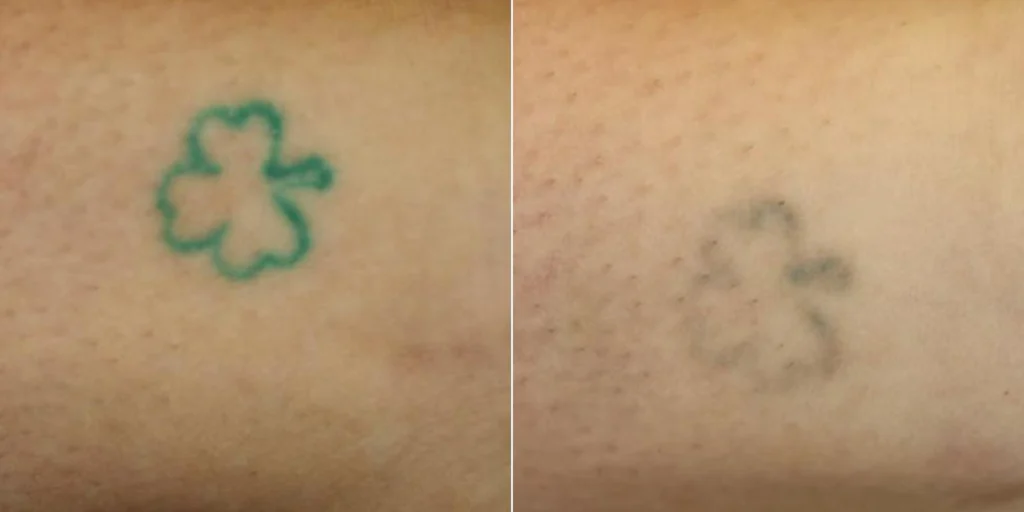
When the laser’s light hits the ink, it shatters it into tiny particles, and your body gradually flushes them away.[1] After each treatment, the tattoo should look lighter.[1]
Lasers have largely replaced older methods such as sanding or cutting the tattoo out, because they remove ink more safely and in fewer treatments.[1] Whether you want a tattoo you’ve outgrown gone completely or faded enough for a cover-up, laser is the place to start.
Here, that laser is the Candela PicoWay, a picosecond laser FDA-cleared to remove tattoos in black, brown, blue, green, purple, red, orange and yellow ink.[2] It’s the same laser behind our PicoWay Resolve skin treatments.
Good reasons to come in
- Removing a tattoo completely
- Fading a tattoo before a cover-up
- Lightening part of a design
- Clearing an old or blurred tattoo
- Lighter each visitAfter each treatment, your tattoo should look lighter.[1]
Your tattoo removal plan
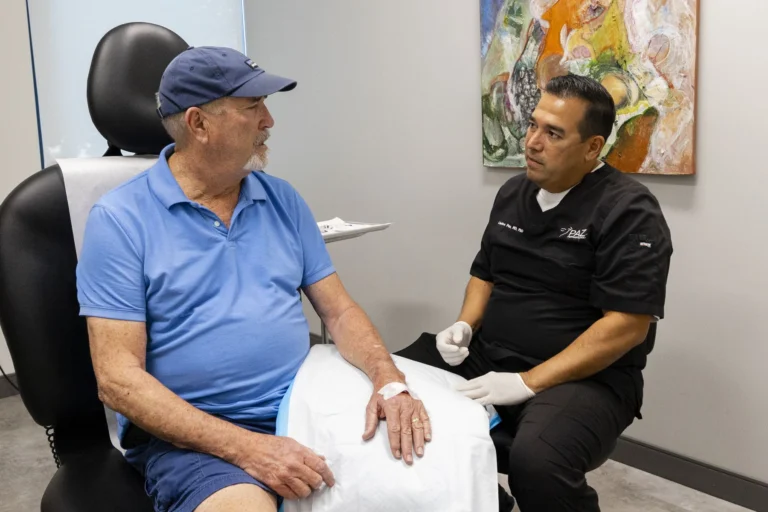
- Your consultation We look at the tattoo’s size, colors and age, and your skin, and give you a realistic plan.
- Treatment You’ll wear eye protection, and the area can be numbed or cooled first. The laser moves across the tattoo in quick pulses. Each session takes only minutes.
- Healing between visits Your skin needs time to heal, and your body needs time to flush out the ink.[1] That’s why sessions are spaced weeks apart.
- Repeat until you’re happy Tattoo artists layer ink, and a laser can’t safely break down every layer in one session,[1] so the tattoo fades over a series of visits.
- Weeks apartSessions are spaced to let your skin heal and your body clear the ink.[1]

Why every tattoo fades differently
No two tattoos respond the same way. These are the things that shape how many visits you’ll need.
| Factor | How it matters |
|---|---|
| Ink colors | No single wavelength removes every color,[1] so the PicoWay uses different wavelengths for different inks[2] |
| Size and density | Larger, more heavily inked designs need more sessions |
| Amateur or professional | Professional tattoos are usually inked deeper and more densely |
| Age of the tattoo | Older tattoos have often faded some already |
| Where it is on your body | Areas with good circulation tend to clear ink faster |
Your free consultation looks at your tattoo and gives you an honest estimate.
Where tattoos can be treated
| Area | Good to know |
|---|---|
| Arms and shoulders | Among the most common areas treated |
| Back and chest | Larger designs take more sessions |
| Legs and ankles | Areas farther from the heart can take longer to clear |
| Hands, wrists and neck | Visible spots, often removed for work |
- Fewer visitsLasers remove tattoo ink in fewer treatments than older methods.[1]
The Paz difference
Tattoo removal in a dermatology practice
Tattoo removal goes best when your skin is part of the plan. Here, your plan starts with a careful look at your skin as well as the ink, and the whole series is planned so your skin heals well between visits.
Is laser tattoo removal right for you?
You’re likely a good fit if you:
- Want a tattoo removed or faded for a cover-up
- Can come in for a series of visits, weeks apart
- Can keep the area out of the sun during treatment
- Have realistic expectations about the time it takes
Tell us before your appointment if you:
- Have a tan, or have recently used a self-tanner
- Take any medicine that makes you sensitive to light
- Have had a reaction to your tattoo ink
- Tend to form thick or raised scars
- Are pregnant
After your appointment
The area will look and feel like a mild sunburn. Some swelling, redness or blistering is normal as your skin heals.
While you heal
- Keep the area clean and covered as instructed
- Use ice to soothe swelling
- Apply the ointment we recommend
- Don’t pick or pop blisters
- Keep the area out of the sun
Some people get light or dark spots on the skin, which tend to fade within 6 to 12 months.[1] Rarely, scarring, texture changes, burns or infection can occur.[1] Call us if the area becomes very painful, hot or swollen.
Concerns treated
This is the most common concern laser tattoo removal treats here. Pick it to see how we can help.
What treatment costs
Cost depends on the size of the tattoo and how many sessions it needs. Your consultation is free, and you’ll know your plan and its cost before anything happens. You’ll find our current offers on their own page.
Tattoo removal questions, answered
It depends on the tattoo’s size, colors and depth. Most tattoos need many sessions,[1] and your consultation gives you an estimate.
Results vary with the ink and your skin. Some colors are more stubborn,[1] and your consultation will tell you what to expect.
Most people compare it to a rubber band snapping against the skin. Numbing or cooling makes it more comfortable.
There’s no evidence they can remove a tattoo, and many contain strong acids that can burn or scar your skin.[1]
When done carefully, scarring is uncommon. Following your aftercare instructions helps your skin heal well.
Yes. A few sessions can lighten the ink enough for your artist to work with.