


Benign skin growths are harmless, non-cancerous spots and bumps such as seborrheic keratoses, skin tags and cherry angiomas. They often appear with age. Because some resemble skin cancer, Paz Dermatology examines them at its Fresno and Visalia, California offices.
Harmless spots that can look worrying
As skin ages, new growths appear. Most are completely harmless. The catch is that a few of them can look like a wart, a precancerous spot or even skin cancer,[1] so it’s worth having new growths checked.
Common benign growths
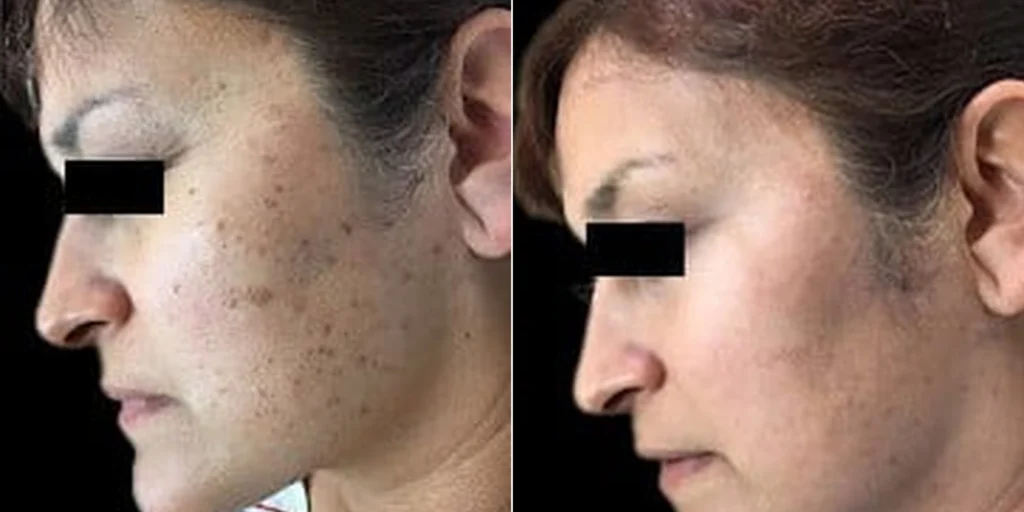
- Seborrheic keratoses: tan to brown growths that can look warty or like a dab of candle wax on the skin[1]
- Skin tags: small, soft flaps of skin, often on the neck, underarms or eyelids
- Cherry angiomas: small, bright red spots made up of blood vessels[2]
- Dermatofibromas: firm, small bumps, often on the legs
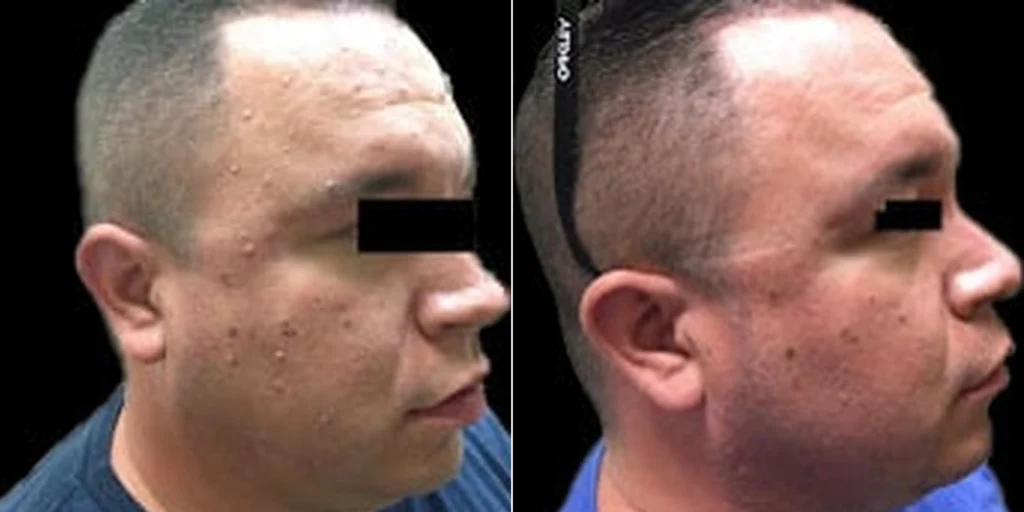
- Dermatosis papulosa nigra: small dark bumps, a form of seborrheic keratosis that’s very common in darker skin[3]
- Sebaceous hyperplasia: small bumps that form when oil glands in the skin get bigger[4]
- Lipomas: soft, movable lumps of fat under the skin (for lumps filled with skin cells, see cysts)
- HarmlessSeborrheic keratoses may look worrisome, but they’re harmless.[1]
- After 30When cherry angiomas become most common.[2]
Harmless growth, or something to check?
| Usually harmless | Worth a closer look |
|---|---|
| Looks like your other spots | Looks different from the rest |
| Stays the same over time | Is new, growing or changing[2] |
| Waxy, “stuck-on” surface | Bleeds, itches or won’t heal |
| Soft skin tag that moves | A dark or multicolored spot with uneven edges |
If a growth is new or changing, have it checked. See changing moles for the warning signs, or book a skin cancer screening.
Where benign growths show up
| Area | Common growths |
|---|---|
| Chest and back | Seborrheic keratoses, cherry angiomas |
| Neck and underarms | Skin tags |
| Face and scalp | Seborrheic keratoses |
| Legs | Dermatofibromas |
The Paz difference
Peace of mind comes first
Because some harmless growths look like skin cancer,[1] an experienced eye matters. Here, your provider examines each growth, tells you plainly what it is, and checks the rest of your skin while you’re there.
- Not contagiousSeborrheic keratoses can’t spread to other people.[1]
When to see us
Book an appointment if:
- You notice a new growth and aren’t sure what it is
- A growth catches on clothing, jewelry or a razor
- A growth bothers you
Book soon if a growth:
- Is new, changing or growing[2]
- Bleeds, itches or won’t heal
- Looks different from your other spots
Keeping an eye on your skin
- Check your skin once a month, front and back, with a mirror
- Note any new or changing spots
- Protect your skin from the sun every day
- Don’t try to cut off skin tags or growths at home
How we care for growths here
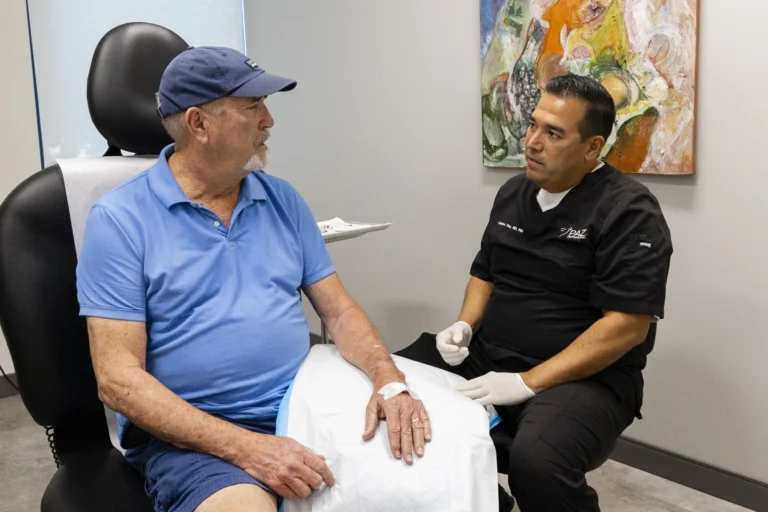
Benign growths are evaluated in a regular medical visit. Your provider confirms what each growth is. If one catches on clothing, gets irritated or bothers you, it can usually be removed right in the office by freezing it with cryotherapy, burning it off or shaving it off.[2][5][6] Small bumps like dermatosis papulosa nigra and sebaceous hyperplasia can be reduced the same way.[4] See Medical Dermatology for what a medical visit covers.
What treatment costs
Evaluating growths is medical care, and it’s handled differently from the cosmetic treatments on this site. Our office walks you through what applies to you when you book.
Growth questions, answered
No. They’re harmless, even though they can look like skin cancer.[1]
Usually not. They’re noncancerous and generally don’t harm your health.[2]
It’s safer not to. Cutting it can cause bleeding and infection, and it’s best to confirm it’s really a skin tag. Your provider can remove it in the office instead.[6]
If it’s new, changing or looks different from the rest, have it checked.[2]
No. Seborrheic keratoses are not contagious.[1]