

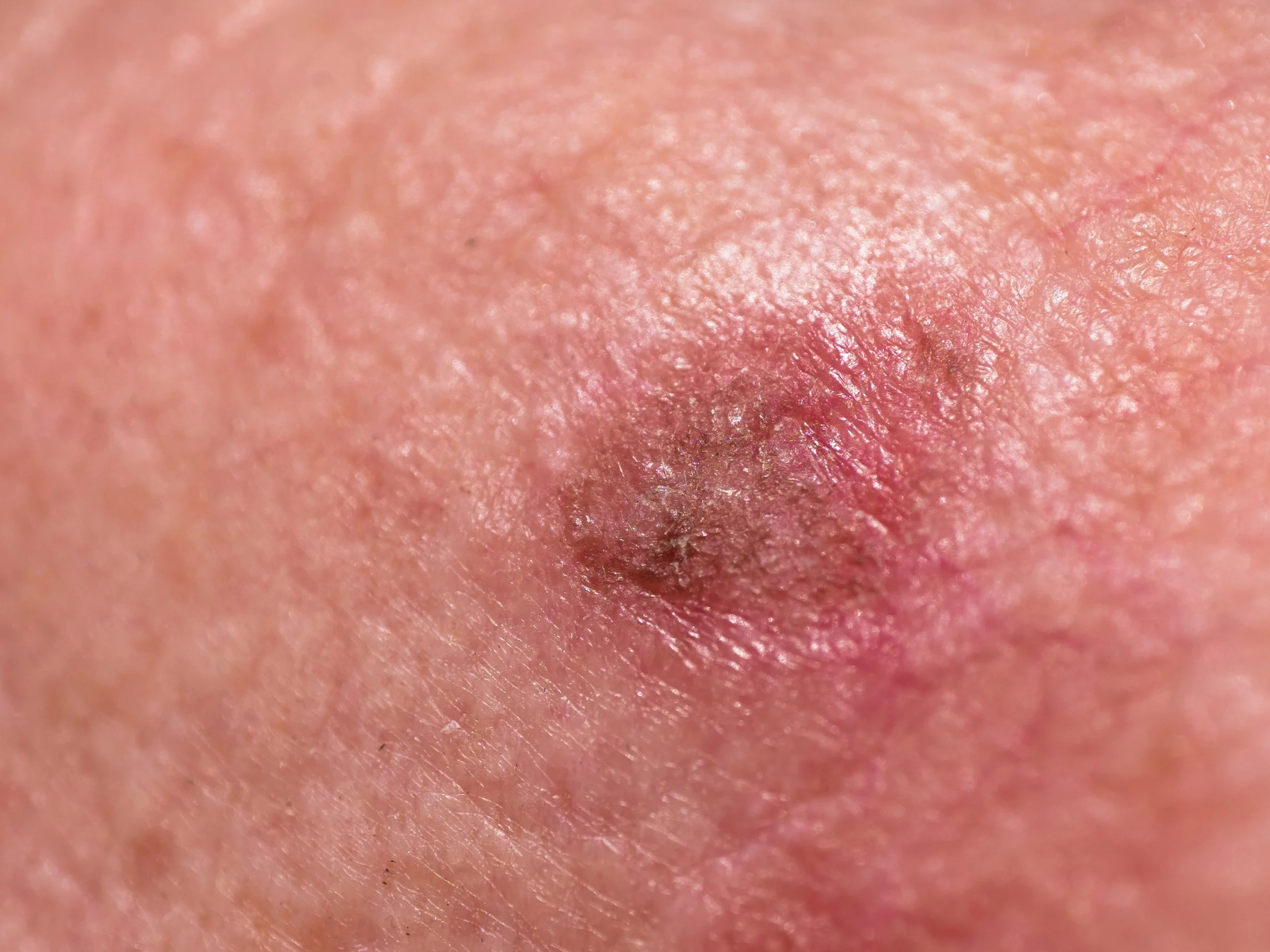
An actinic keratosis is a rough, scaly precancerous growth caused by years of sun or indoor tanning, and some can turn into squamous cell carcinoma. Paz Dermatology diagnoses and treats actinic keratoses at its Fresno and Visalia, California offices.
A precancer you can often feel before you see
An actinic keratosis, or AK, is a precancerous spot of skin damaged by years of sun or tanning.[1] It’s one of the most common things dermatologists treat, with more than 40 million Americans developing them each year.[1]
The reason to take one seriously is what it can become. Left untreated, some AKs turn into squamous cell carcinoma, a common skin cancer.[2] Treating the AK takes that possibility off the table, which is about as good a deal as skin care offers.
Why it’s worth a visit
- 40 millionAmericans who develop actinic keratoses each year.[1] If you’ve spent time in the sun, you’re in good company.
Where AKs come from
- Years of sun AKs are caused by ultraviolet light from the sun and from tanning beds.[1] The damage builds over years, which is why AKs usually show up later in life.
- Sunny places and outdoor days People who spend a lot of time outdoors, or who live where the sun is strong most of the year, are more likely to get them. In the Central Valley, that’s a lot of us.
- Your skin Fair skin that burns easily is the most prone. Once you’ve had one AK, you’re more likely to get another, which is why regular checks help.
- SandpaperHow many people describe an AK. You can often feel one before you can see it.[2]
How to recognize an AK
AKs come in more shapes and colors than people expect. Here’s what they tend to be like.
| What it’s like | |
|---|---|
| Feel | Rough, dry or scaly, like a patch of sandpaper. Often easier to feel than to see.[2] |
| Look | A rough bump, a flat patch or a raised growth.[2] |
| Color | Red or pink, skin-colored, gray, brown, tan or white.[2] |
| Symptoms | It may itch, burn or sting, feel tender, bleed, or catch on clothing.[2] |
A spot that’s rough, keeps coming back, or bleeds easily is worth showing us, even if it looks small.
Where AKs show up
| Area | Why it matters |
|---|---|
| Face | Gets more sun than almost anywhere, year after year.[2] |
| Lips | A common place for AKs, and an easy one to overlook.[2] |
| Ears | Often forgotten when applying sunscreen. |
| Scalp | Especially where hair has thinned. |
| Neck | Sun-exposed every day.[2] |
| Forearms and backs of the hands | Hours of driving and outdoor work add up here. |
The Paz difference
Treat the spot, and keep an eye on the skin around it
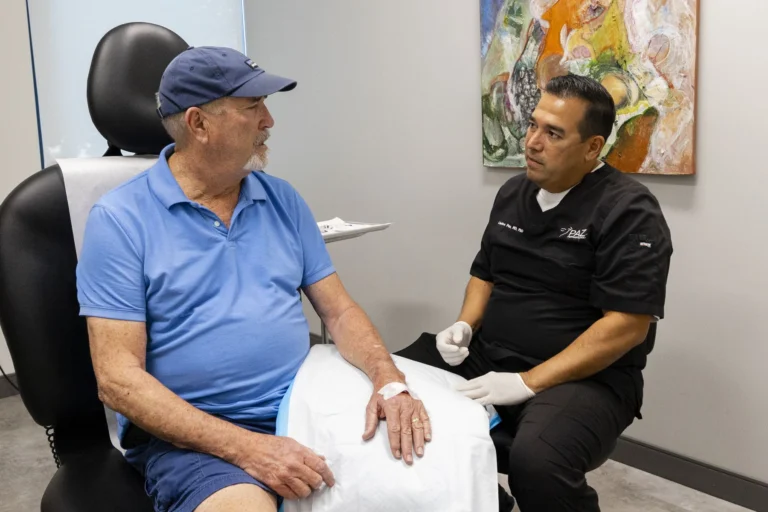
An AK means your skin has had a lot of sun. So we treat the spot you came in for, and we look at the rest of your skin too, because where there’s one AK there are often others, and sometimes something that needs a closer look.
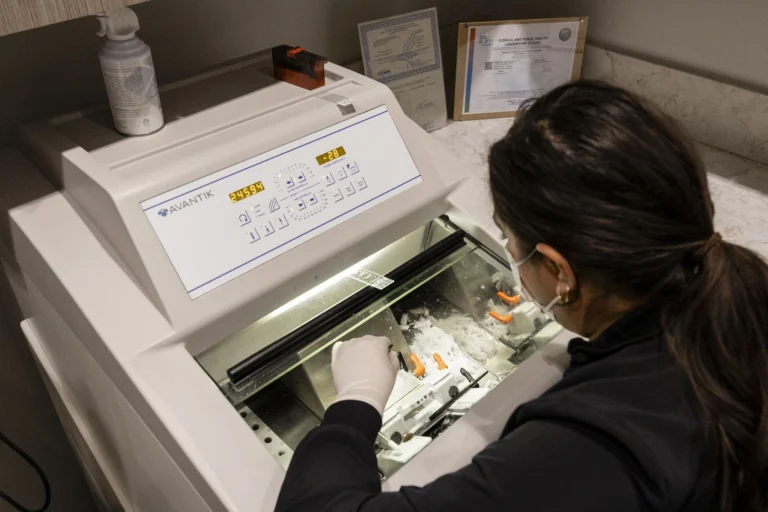
Treatment is chosen by how many spots you have and where they are. Some are treated one at a time in the office with cryotherapy, which freezes the spot so it falls off after a few days.[4] Others do better with a prescription you apply at home. If a spot looks unusual, a biopsy settles it. And a yearly total body exam keeps new ones from getting ahead of you.
- SPF 30+The minimum sunscreen dermatologists recommend: broad-spectrum and water-resistant, reapplied every two hours outdoors.[3]
When to have a spot checked
Worth a regular skin check if you:
- Have fair skin that burns easily
- Have spent years outdoors for work or fun
- Have used tanning beds[1]
- Have had AKs or skin cancer before
AKs are common and very treatable. There’s no downside to having one checked.
Keeping AKs from coming back
Treating AKs is half of it. The other half is slowing down the damage that causes them.
Every day
- Use a broad-spectrum, water-resistant sunscreen, SPF 30 or higher, and reapply every two hours outdoors[3]
- Wear a wide-brimmed hat, sunglasses, long sleeves and pants when you can[3]
- Seek shade, especially in the middle of the day[3]
- Skip tanning beds entirely[1]
Over time
- Check your skin as often as your provider recommends[3]
- Keep your follow-up visits, since new AKs and early skin cancers are easiest to treat when they’re small[3]
- Tell us about any spot that returns after treatment
Much of what makes AKs likely is also behind sun damage you can see, like brown spots and fine lines. The same habits help with both.
Services we offer
A skin check is where AKs are found and treated. Pick it to see how it works.
What treatment costs
Treating AKs is medical care, and it’s handled differently from the cosmetic treatments on this site. Our office walks you through what applies to you when you book.
Actinic keratosis questions, answered
No. It’s a precancer. Some AKs turn into squamous cell carcinoma if they’re left alone, which is why they’re treated.[2]
Sometimes a spot fades and then comes back. Because some AKs can turn into skin cancer, it’s better to have one checked than to wait it out.[2]
Most treatments are quick, and any discomfort is brief. After cryotherapy, a crust or small blister on the treated skin is normal and expected.[4]
Yes. An AK is a sign of sun damage, and people who’ve had one often get others. Sun protection and regular skin checks keep new ones small and easy to treat.[3]
It could. The lips are a common place for AKs,[2] and a rough spot there that doesn’t heal is worth having looked at.
It’s one part. Broad-spectrum SPF 30 or higher, reapplied every two hours outdoors, plus a hat, sunglasses, sleeves and shade, add up to real protection.[3]