

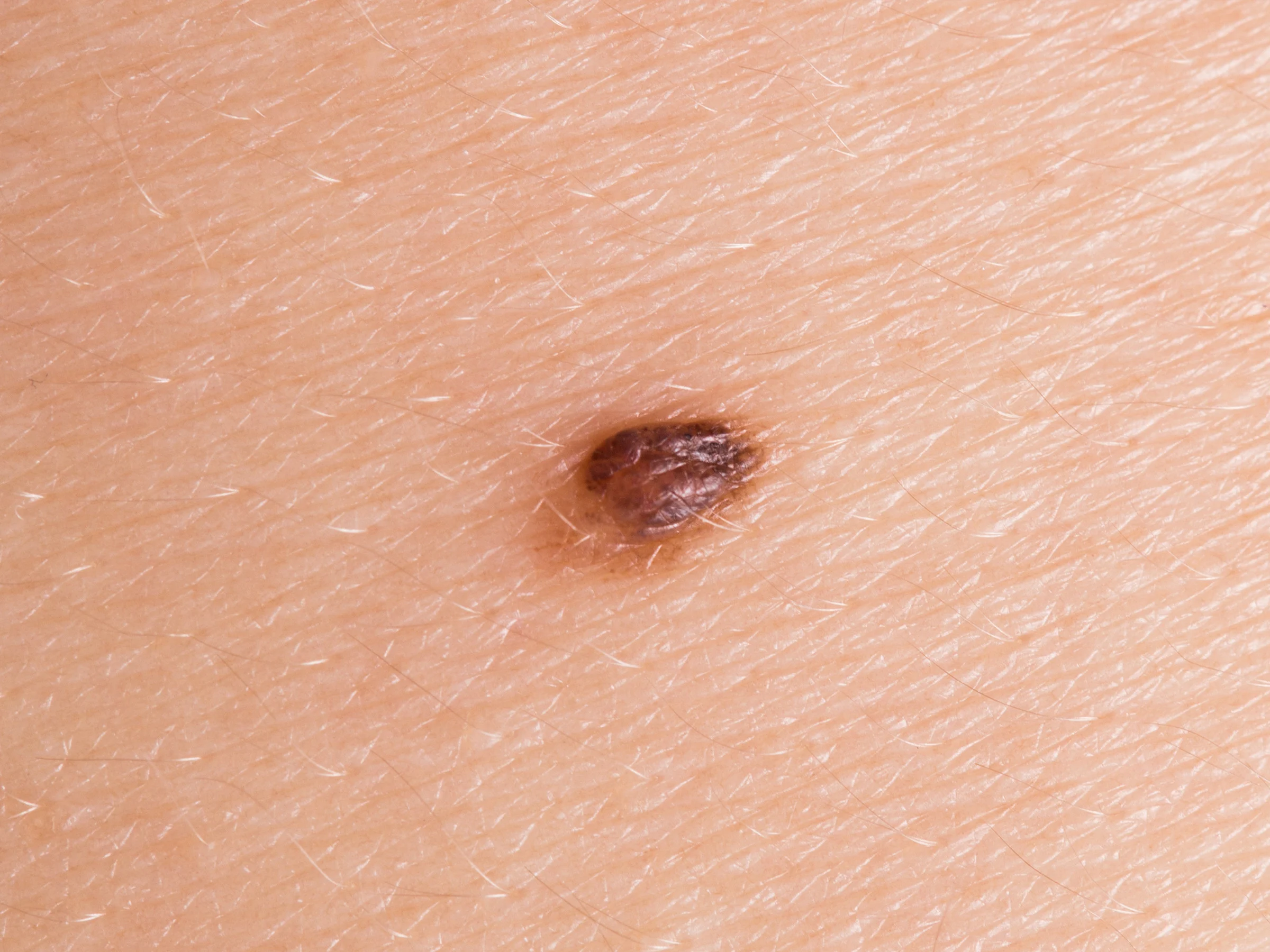
Melanoma is a skin cancer that starts in the cells that give skin its color, and it can appear as a new spot or a changing mole. It is highly treatable when found early. Paz Dermatology checks, diagnoses and removes melanoma at its Fresno and Visalia, California offices.
What melanoma is, in plain terms
Your skin’s color comes from pigment cells. Melanoma starts when those cells begin to grow out of control.[1] It’s much less common than the other skin cancers, and it gets the attention it does because it’s more likely to spread if it isn’t found and treated early.[1]
That’s also where the good news is. Nearly 8 in 10 melanomas are found before they spread.[2] At that stage, people’s five-year survival is the same as for people who never had melanoma at all.[2]
So the whole game is noticing. A skin check takes a few minutes, and most of the time the answer is reassuring.
Why it’s worth a look
- Nearly 8 in 10Melanomas found before they’ve spread, when they’re most treatable.[2]
What raises the odds
One surprise for most people: melanoma usually doesn’t start in an old mole. About 7 in 10 begin as a brand-new spot.[4] That’s why a skin check looks at all of your skin, and why a new spot deserves as much attention as a familiar mole.
- Sun and tanning beds Ultraviolet light from the sun and from indoor tanning can cause melanoma, and tanning-bed light tends to be stronger than sunlight.[3] Blistering sunburns, especially, add to the risk.[3]
- Your skin and your moles Fair skin that burns easily, naturally blond or red hair, 50 or more moles, and moles that look atypical all raise the odds.[3] So does turning 50.[3]
- Your history A parent, sibling or child who’s had melanoma, a weakened immune system, or a skin cancer of your own in the past all make regular checks more worthwhile.[3]
- 7 in 10Melanomas that start as a new spot, not in an existing mole, across 38 studies.[4]
The ABCDEs, and the spot that doesn’t match
Dermatologists use five letters to describe what to watch for. You don’t need all five. Any one of them is enough reason to have a spot checked.
| Letter | What to look for |
|---|---|
| A · Asymmetry | One half of the spot looks unlike the other half.[5] |
| B · Border | The edge is irregular, scalloped or blurry.[5] |
| C · Color | The color varies across the spot: tan, brown or black, sometimes with white, red or blue.[5] |
| D · Diameter | Usually bigger than a pencil eraser by the time it’s found, though melanomas can be smaller.[5] |
| E · Evolving | It looks different from the rest, or it’s changing in size, shape or color.[5] |
Two more worth knowing. A spot that itches or bleeds should be checked.[5] And trust the one that stands out: if a spot doesn’t look like any of your others, that alone is a good reason to come in.
Where to look
| Area | Why it matters |
|---|---|
| Chest and back | A common place for melanoma, especially in men, and hard to see yourself.[1] |
| Arms and legs | A common place for melanoma, especially in women.[1] |
| Palms and soles of the feet | Melanoma can start where the sun rarely reaches.[1] |
| Under or around a nail | A dark streak or spot here is worth a look, and it’s easy to miss.[1] |
| Darker skin | In people of African descent, melanoma tends to appear on the palms, soles or around a nail.[5] |
The Paz difference
From the first look to the last stitch, one practice
Everything melanoma care usually involves happens here. A total body exam to find what’s new, mole mapping to track what’s changing, a biopsy when a spot needs a closer look, and removal when it’s needed. If you’ve noticed a spot that has changed, you don’t have to piece together where to go next.
An early melanoma is usually removed with a margin of healthy skin, often right in the office, and that may be the only treatment needed.[6] For one kind of early melanoma that stays near the surface, Mohs surgery is sometimes used, done in a slower version where results come back the next day.[7] Your provider will talk you through which fits.
- Every visitWith mole mapping, your moles are photographed at each visit and compared with the last set, so a change shows up in the pictures.
When to have a spot checked
Worth a regular skin check if you have:
If you’re not sure whether what you’re seeing counts, book the visit anyway. That’s exactly what it’s for.
After melanoma
Once a melanoma is treated, the focus shifts to keeping watch. Regular skin exams are the backbone of that. For early melanomas, they’re typically every 6 to 12 months, and for thicker ones every 3 to 6 months for a few years.[8]
Between visits
- Check your skin and the lymph nodes near the treated area about once a month[8]
- Stay out of tanning beds and limit strong sun[8]
- Keep your follow-up appointments, even when everything looks fine
Having had one melanoma raises the chance of another skin cancer, which is why the follow-up schedule matters more than any single visit.[8] Mole mapping makes that easier: every visit adds a new set of photos to compare against.
Services we offer
Checking, tracking and treating melanoma all happen in this practice. Pick one to see how it works.
What treatment costs
Skin checks, biopsies and skin cancer treatment are medical care, and they’re handled differently from the cosmetic treatments on this site. Our office walks you through what applies to you before your visit, so nothing about it comes as a surprise.
| What it is | A skin cancer of the cells that give skin its color[1] |
| How it often starts | As a new spot, more often than in an old mole[4] |
| Warning signs | The ABCDEs, plus any spot that itches, bleeds or stands out[5] |
| Found early | Nearly 8 in 10, when it’s most treatable[2] |
| Where | Checks and treatment at our Fresno and Visalia offices |
Melanoma questions, answered
Very often, yes, especially when it’s found early. Most melanomas are caught before they spread, and at that stage five-year survival matches that of people who never had it.[2]
Yes, and it usually does. About 7 in 10 melanomas begin as a new spot rather than in an existing mole.[4] That’s why a new spot deserves a look, even if your moles haven’t changed.
Yes. Melanoma develops in people of every skin color. In darker skin it often shows up on the palms, the soles of the feet or under a nail, places that don’t get much sun.[3]
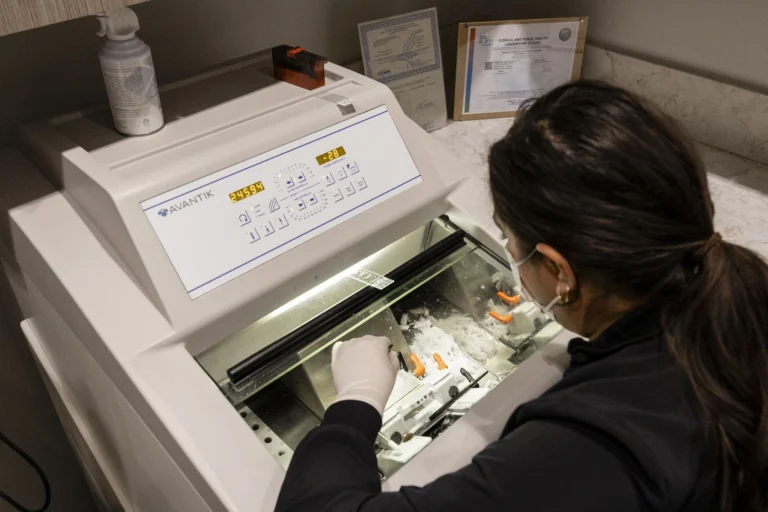
By a biopsy. If a spot looks suspicious, your provider removes all or part of it, and the tissue is examined under a microscope. That’s the only way to know for sure.
It depends on your risk. People with many moles, a family history or a past skin cancer benefit from a regular schedule, and after a melanoma, checks are typically every 3 to 12 months.[8] Your provider will set a schedule that fits you.
Then treatment goes beyond removing the spot, and care often includes cancer specialists alongside your dermatologist. That’s the less common path, and it’s why early checks matter so much.