

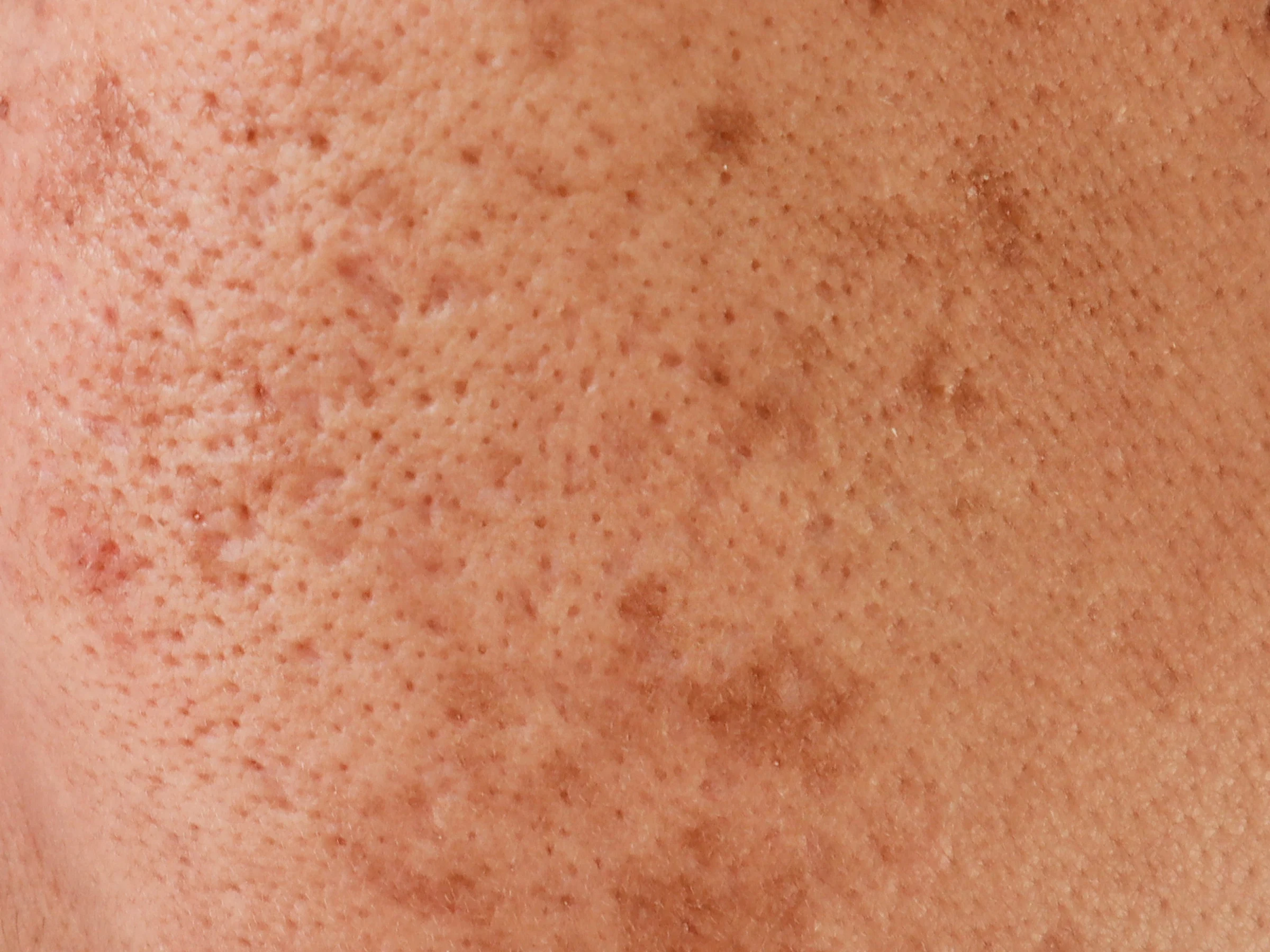
Sun damage, or photoaging, is skin change caused by years of ultraviolet exposure, including brown spots, redness, rough texture, wrinkles and precancerous growths. Paz Dermatology treats sun damage at its Fresno and Visalia, California offices with skin checks, IPL, lasers and chemical peels.
What years of sun leave behind
The sun plays a major role in aging skin early,[1] and every tan adds to it.[1] Some of that damage is cosmetic. Some of it, like precancerous spots, needs medical care.
Signs of sun damage
- Brown spots and freckling on the face, hands and chest
- Redness and small visible blood vessels
- Rough, uneven texture
- Fine lines and wrinkles
- Rough, scaly patches that can be precancerous[2]
- 1 in 5Americans who will develop skin cancer in their lifetime, the most common cancer in the country.[3]
How sun ages skin
- Everyday exposure Sun damage builds up from daily life: driving, gardening, school pickup, weekends outdoors.
- Tanning Every time you get a tan, you prematurely age your skin, and that includes tanning beds.[1]
- Burns Blistering sunburns raise the risk of melanoma.[4]
- Time The effects of sun often show up years later, which is why protection matters at every age.
- 40 millionAmericans who develop precancerous actinic keratoses each year, a common sign of sun damage.[2]
Treating what you see, checking what you can’t
| What sun left | What helps |
|---|---|
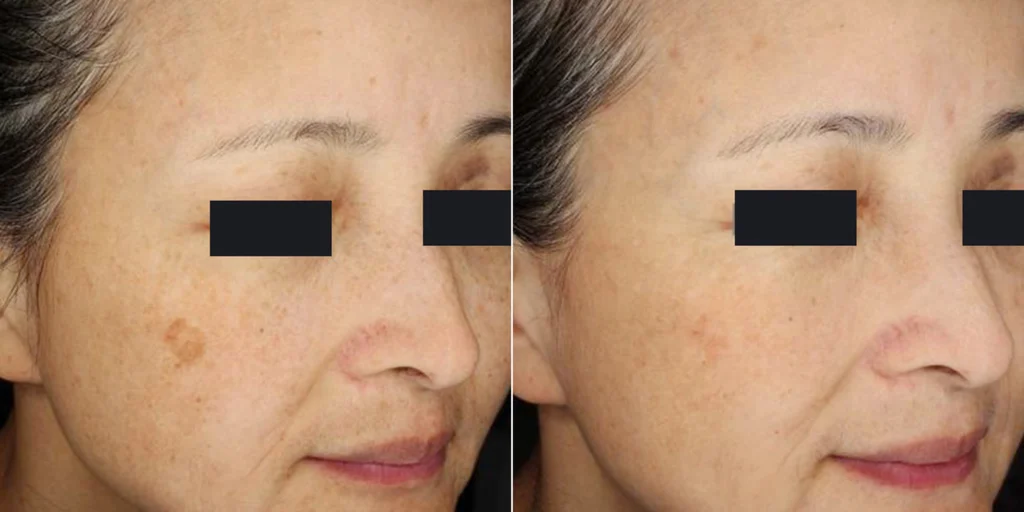
| Brown spots and age spots | IPL, PicoWay Resolve or a VI Peel[5] |
| Redness and small vessels | IPL or VBeam |
| Rough texture and dullness | SkinCeuticals peels, VI Peel or PicoWay Resolve |
| Fine lines | Peels and laser treatments[5] |
| Rough, scaly or changing spots | A skin check first |
Cosmetic treatments start with your free consultation. Spots that could be precancerous or cancerous are checked and treated as medical care.
Where sun damage shows up
| Area | What you might see |
|---|---|
| Face | Brown spots, redness, fine lines, rough patches |
| Neck and chest | Freckling, uneven color, crepey texture |
| Hands and forearms | Age spots and thin, spotted skin |
| Lips, ears and scalp | Rough, scaly patches worth checking |
Real results from patients
- SPF 30+Broad-spectrum, water-resistant sunscreen every day, reapplied every two hours outdoors.[6]
The Paz difference
Look better, and stay safe
Sun damage is both cosmetic and medical, and this practice handles both. Spots are checked with a dermatologist’s eye before cosmetic treatment, and the same practice that fades your sun spots also does your skin cancer screenings, so important changes are caught early.
When to see us
Book a cosmetic consultation if:
- Brown spots, redness or texture bother you
- You’d like to look fresher and more even-toned
Book a skin check soon if you notice:
- A rough, scaly patch that doesn’t go away
- A spot that is new, changing, itching or bleeding
- A sore that doesn’t heal
Protecting your skin from here on
- Use broad-spectrum, water-resistant sunscreen, SPF 30 or higher, every day[6]
- Reapply every two hours outdoors[6]
- Wear a wide-brimmed hat, sunglasses and long sleeves when you can[6]
- Seek shade, especially midday[6]
- Use self-tanner instead of tanning[1]
- Check your skin as often as your dermatologist recommends[6]
Services we offer
From skin checks to lasers and peels, these treat sun damage here. Pick one to see how it works.
What treatment costs
Skin checks and treatment of precancerous spots are medical care, handled differently from cosmetic treatments; our office walks you through what applies when you book. For cosmetic treatments, your consultation is free.
Sun damage questions, answered
Much of what you see can be improved. Lasers, IPL and peels can fade spots, calm redness and smooth texture.[5]
Usually not, but some spots that look similar need a closer look. A skin check is the way to be sure.
No. Every tan is a sign of damage and ages your skin early.[1]
They may be actinic keratoses, precancerous spots caused by the sun that should be checked and treated.[2]
As often as your dermatologist recommends, based on your skin and history.[6]
Never. Protecting your skin now helps your treatments last and lowers future damage.