


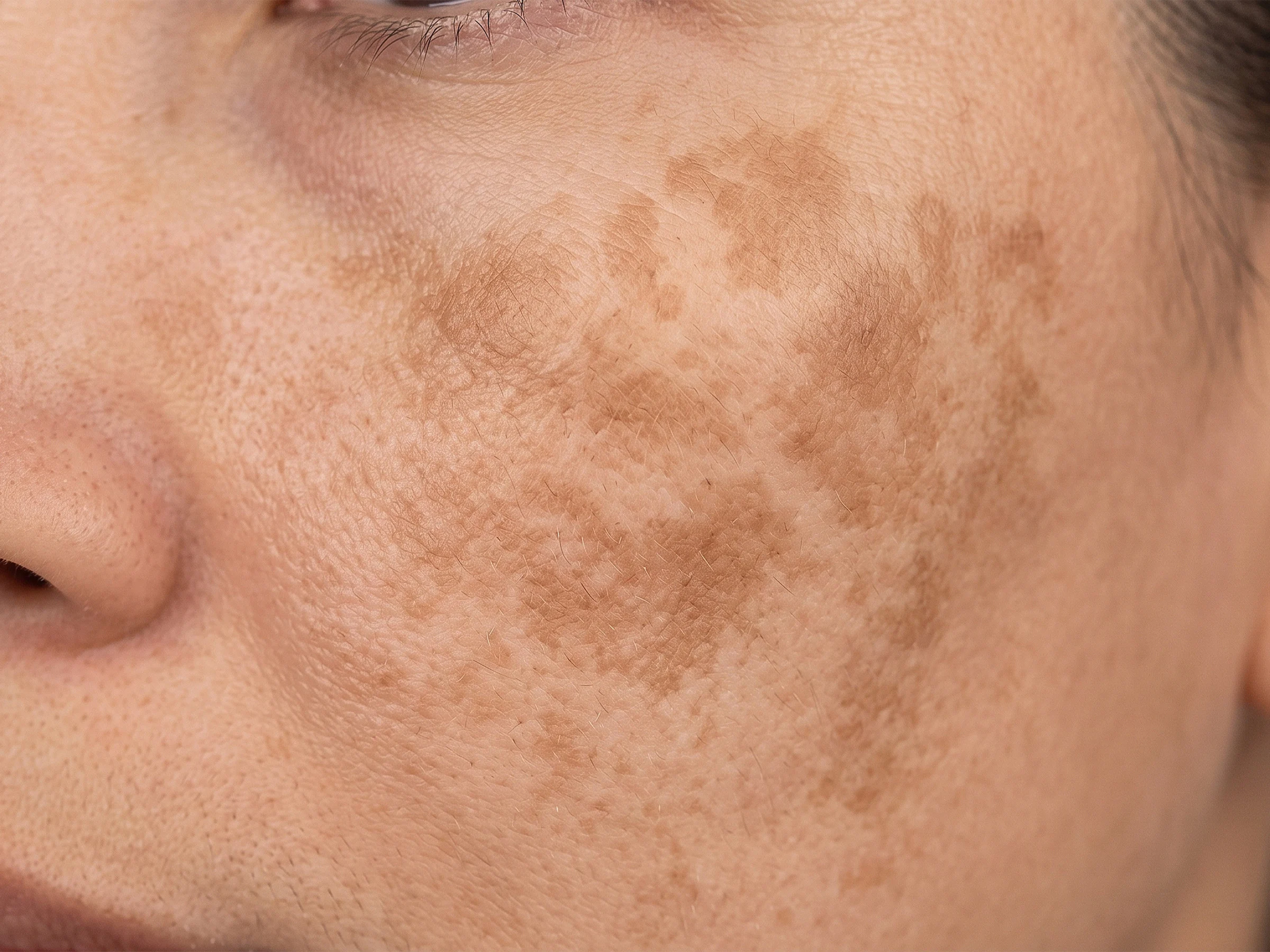
Hyperpigmentation is skin that is darker in spots or patches, including sun spots, melasma and dark marks left by acne or injury. Paz Dermatology treats it at its Fresno and Visalia, California offices with lasers, IPL, chemical peels and facials, alongside daily sun protection.
Three kinds of dark spots
Dark spots happen when skin makes extra pigment in one area. They’re harmless in themselves, but they can make skin look older, tired or uneven, and they’re one of the most common reasons people ask about their skin.
The three you’ll see most
- Sun spots: flat brown spots on the face, hands and chest from years of sun damage
- Melasma: patches darker than your natural skin tone, usually on the face[1]
- Dark marks: flat spots left after a pimple, psoriasis patch, bug bite or cut heals[2]
- 6 to 12 monthsHow long a dark mark a few shades darker than your skin usually takes to fade on its own. Treatment can speed it up.[2]
Where dark spots come from
- Sun and visible light The sun’s light, including visible light, can cause dark spots, and melasma often returns with unprotected time outdoors.[1][2]
- Hormones Many women first see melasma during pregnancy or after starting birth control pills.[1]
- Healing skin A dark mark can appear after acne, psoriasis, a bug bite, cut or burn heals.[2]
- Skin tone Women with medium to dark skin tones are most likely to develop melasma.[1]
- Iron oxideThe ingredient to look for in tinted sunscreen, because it helps block the visible light that causes dark spots.[2]
The right treatment for each kind of spot
| Kind of spot | Often responds to |
|---|---|
| Sun spots and age spots | IPL or PicoWay Resolve[3][4] |
| Melasma | PicoWay Resolve, VI Peel Precision Plus or the Pigment Balancing Peel, plus daily sun protection[4] |
| Dark marks after acne | VI Peel, SkinCeuticals peels or PicoWay Resolve |
| Uneven, dull tone | HydraFacial or DiamondGlow for a brighter look |
Many plans combine treatments, and a dermatology team can combine them safely for the best results.[2] Your free consultation sorts out which kind of spot you have and what will fade it.
Where dark spots show up
| Area | What you might see |
|---|---|
| Cheeks, forehead and upper lip | Melasma patches[1] |
| Face and nose | Sun spots and freckling |
| Hands and arms | Age spots from years of sun |
| Chest and back | Dark marks after breakouts |
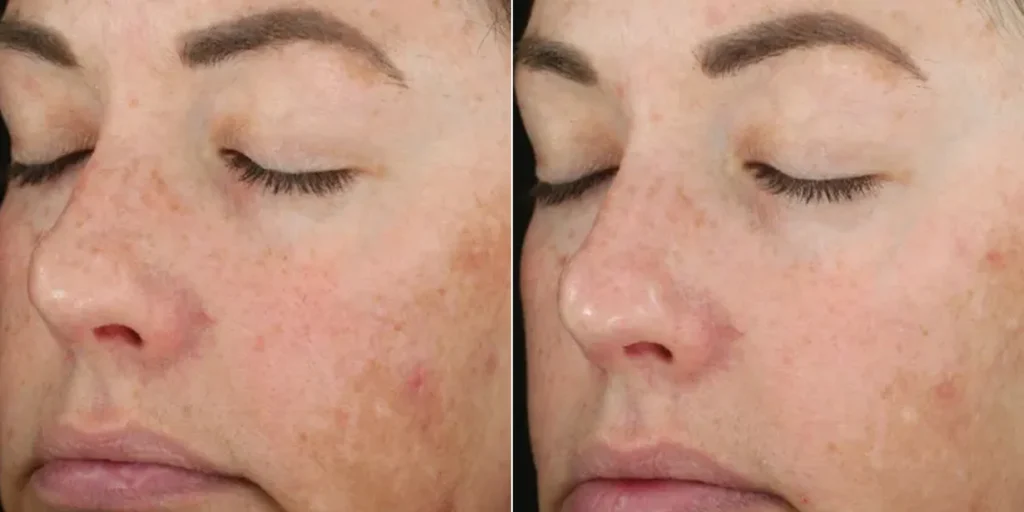
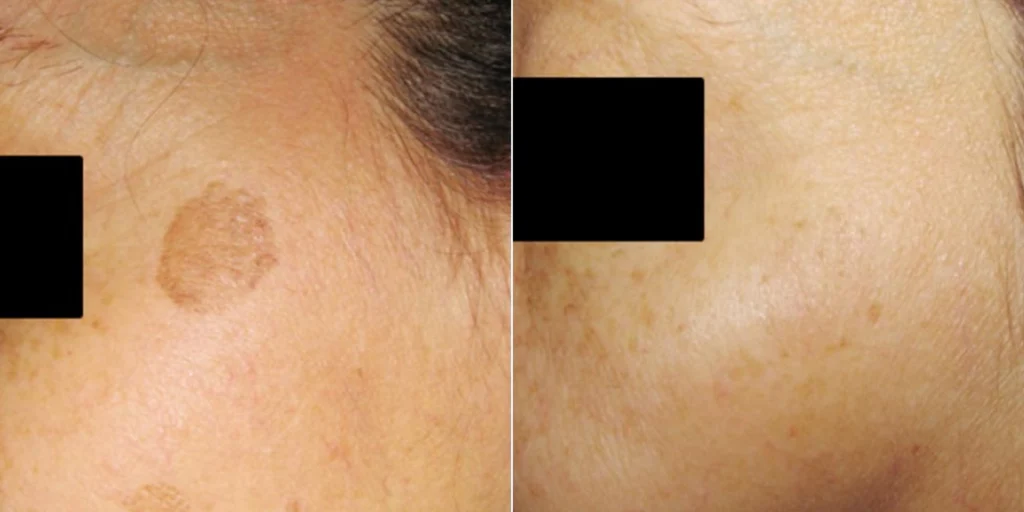
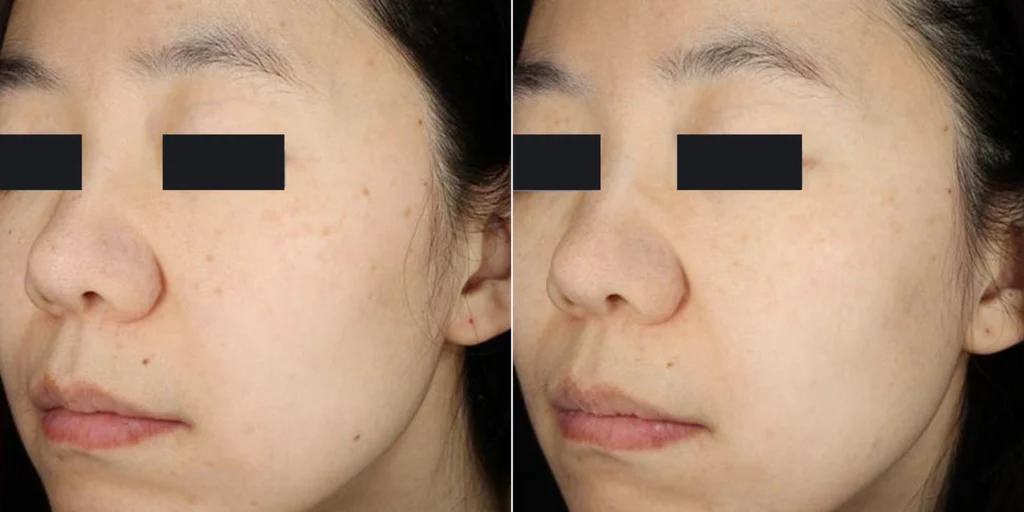
Real results from patients
- SPF 30+Broad-spectrum, water-resistant sunscreen every day protects the results of any treatment.[2]
The Paz difference
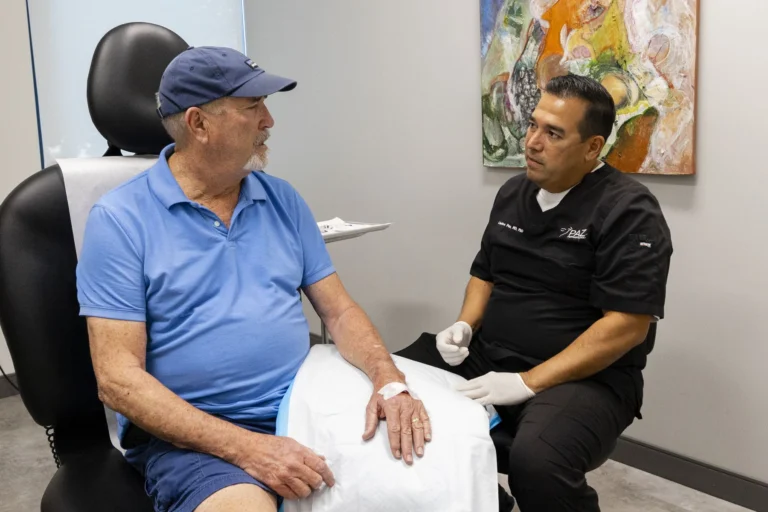
Every brown spot gets a proper look first
Most brown spots are harmless, but a few that look similar aren’t. Because this is a dermatology practice, spots are looked at with a trained eye before any cosmetic treatment, so you can fade what’s cosmetic with confidence.
And with lasers, IPL, peels and facials all here, your plan fits the kind of spot you have and your skin tone.
When to talk to us
It’s a good time if:
- Dark spots or patches bother you
- Melasma keeps coming back
- Marks from old breakouts haven’t faded
- Over-the-counter products haven’t made a difference
Have a spot checked soon if it:
- Is new, changing or growing
- Has uneven color or an irregular border
- Itches, bleeds or looks different from your other spots
A dark spot that’s changing deserves a closer look. See our page on changing moles.
Services we offer
Each of these helps fade dark spots in its own way. Pick one to see how it works.
What treatment costs
Cost depends on the treatment and how many sessions you need. Your consultation is free, and you’ll know your plan and its cost before anything happens.
Dark spot questions, answered
Dark marks after a pimple or cut often do, usually within 6 to 12 months.[2] Sun spots and melasma usually need treatment.
It can be treated and controlled, but it can come back, especially with sun exposure.[1] Daily sun protection is part of every plan.
A tinted, broad-spectrum sunscreen with iron oxide and SPF 30 or higher.[2]
Many are, with the right settings. Your provider chooses treatments and settings for your skin tone.
Hormone changes during pregnancy or from birth control pills commonly trigger it.[1]
Occasionally. A spot that’s new, changing or unlike your others should be checked before any cosmetic treatment.